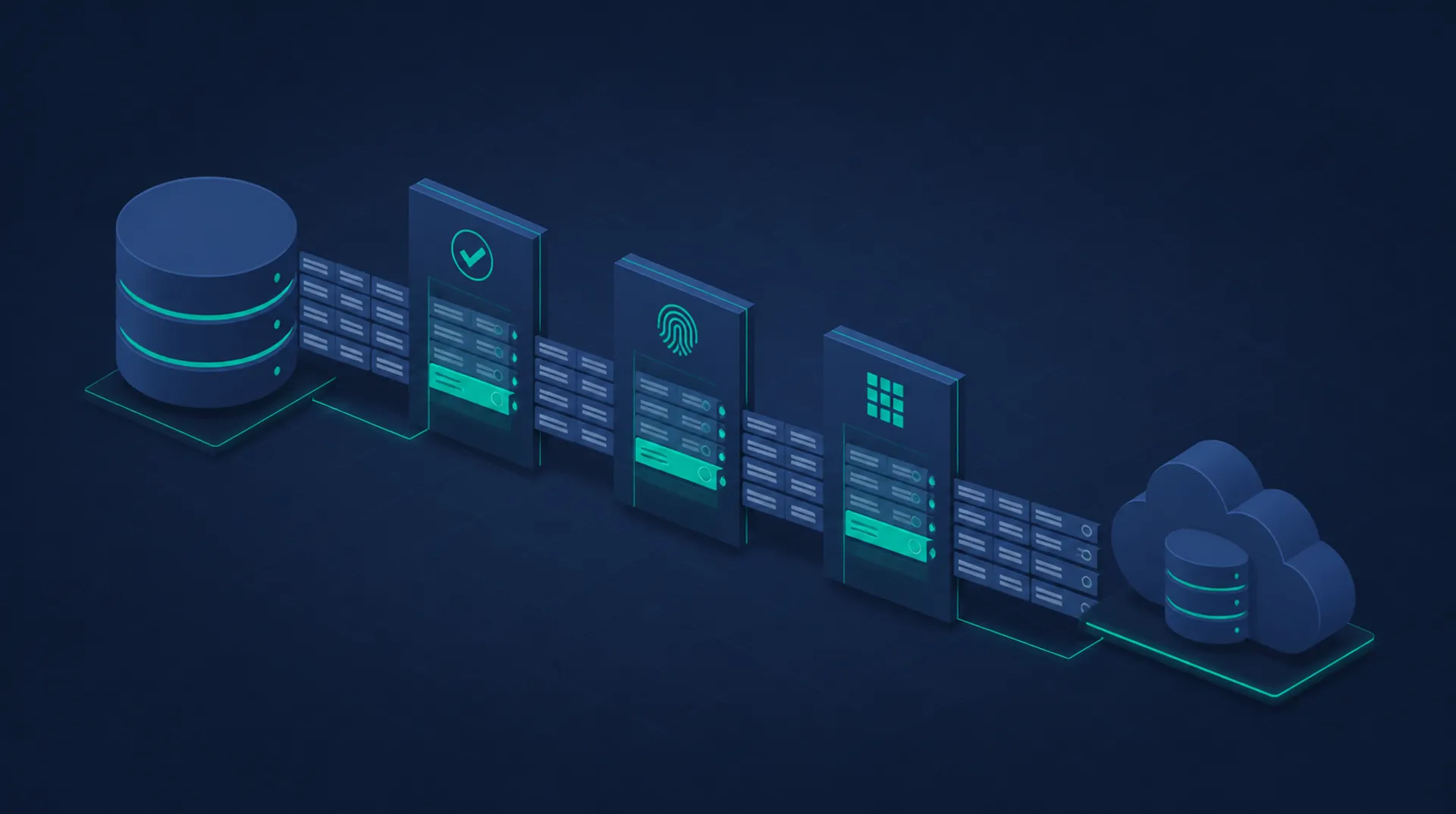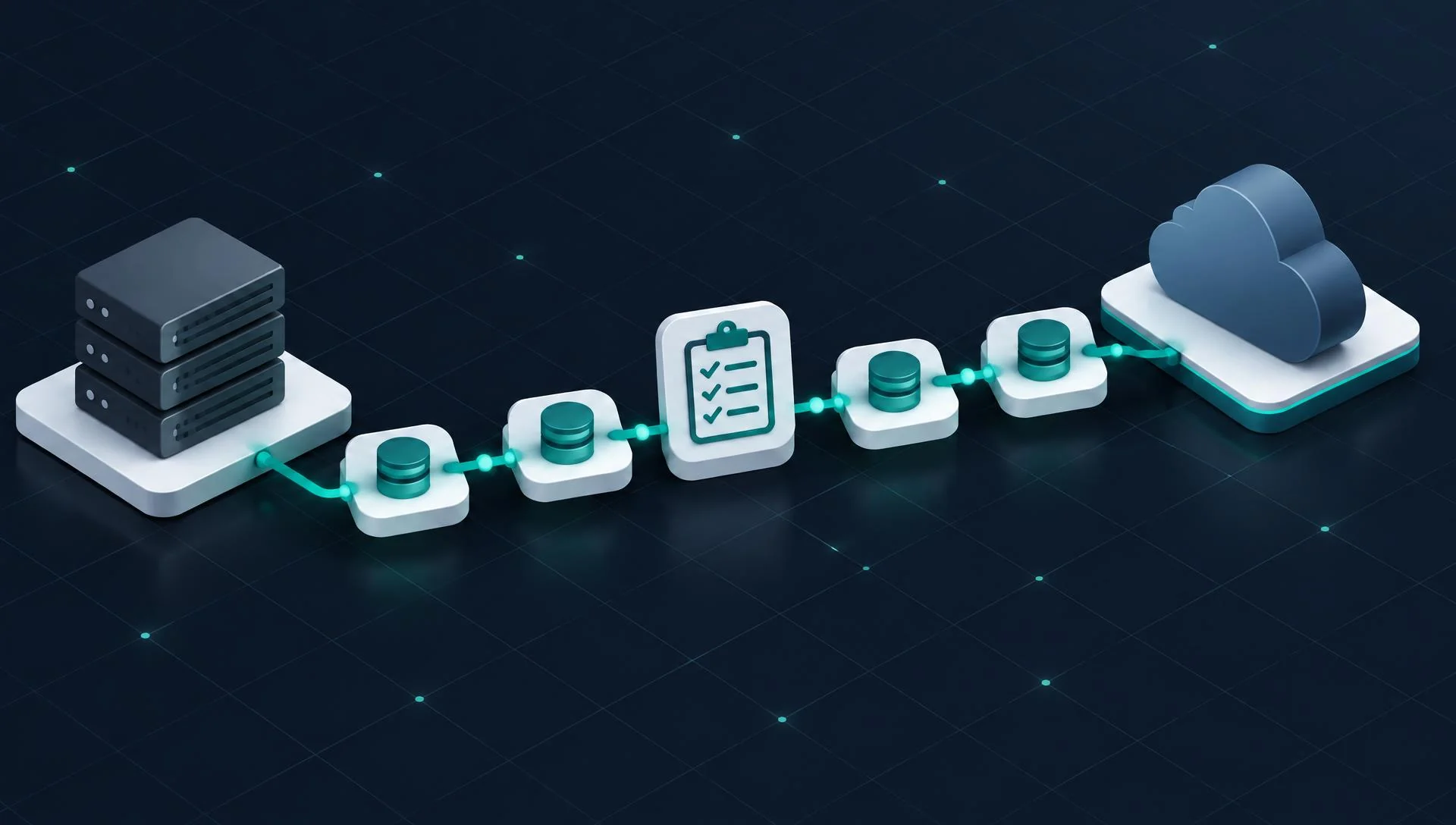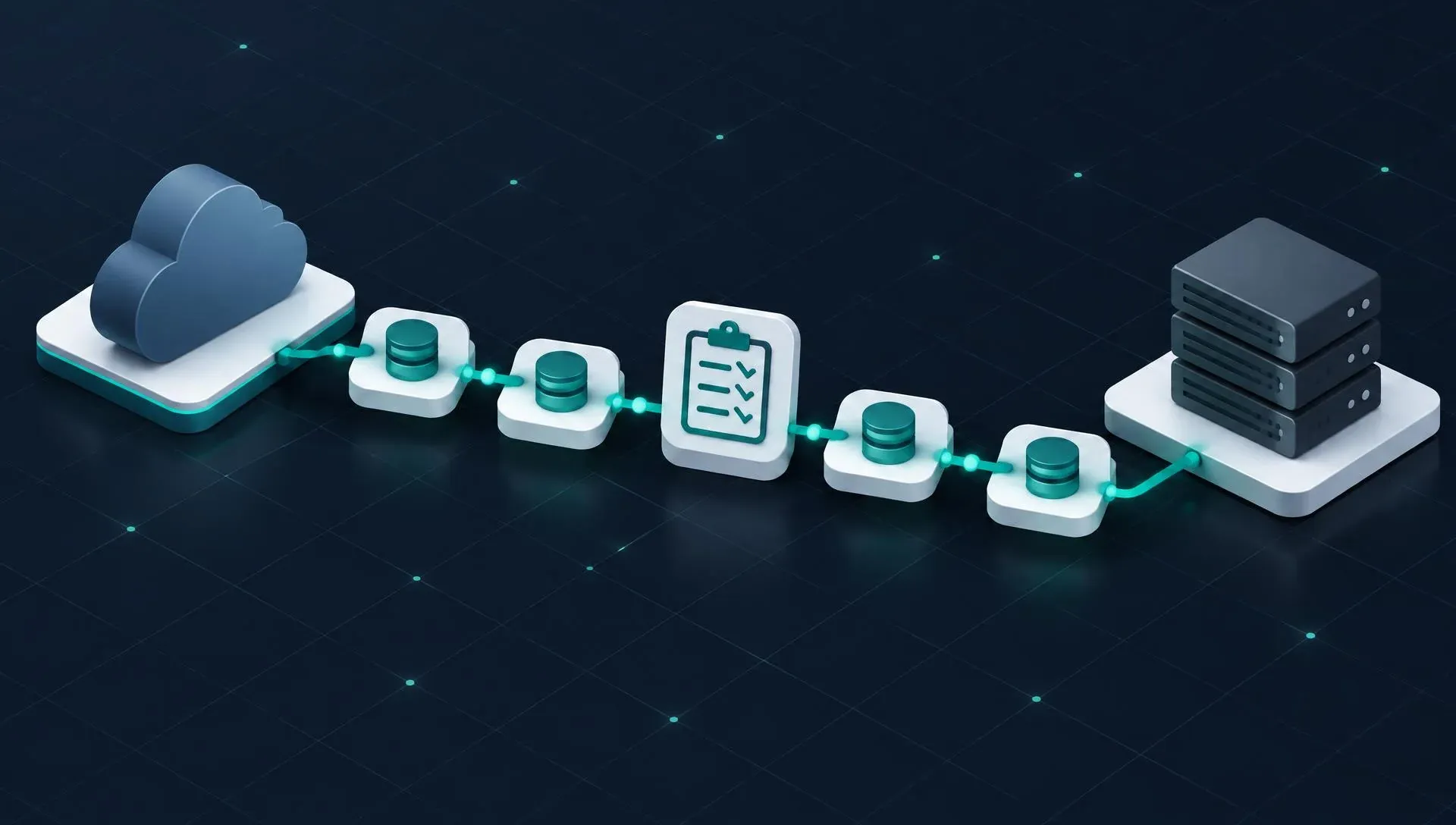
Data warehouse testing tools check that the data loaded into a warehouse is complete, correctly transformed and still correct after every change to pipelines, models or source systems. Choosing one is less about features lists and more about which failures you need to catch before business users do.
This guide explains the test types a warehouse needs, the criteria that separate tools, and how to run a short evaluation on your own data.
What a data warehouse test has to prove
A warehouse load can finish successfully and still be wrong. Testing answers four questions for each critical table or report:
- Complete: did every expected record arrive, for the agreed scope and cutoff?
- Correct: do transformed values match the documented business rules?
- Consistent: do totals, keys and relationships agree between source, staging and target layers?
- Stable: does the output still match after code, schema or configuration changes?
The main types of data warehouse testing
| Test type | What it checks | Typical example |
|---|---|---|
| Source-to-target validation | Records and values match between source and warehouse | Row counts and key comparison by load date |
| Transformation testing | Business rules are applied correctly | Currency conversion, status mapping, derived columns |
| Regression testing | Results are unchanged after a release | Compare report totals before and after a model change |
| Data quality checks | Values meet expected rules | Nulls in required fields, invalid codes, duplicates |
| Reconciliation | Aggregates balance across systems | Finance totals in ERP vs the warehouse fact table |
| Performance and scale | Tests run within the load window | Full comparison of large fact tables overnight |
How to compare data warehouse testing tools
Use the same criteria for every tool on your shortlist:
- Connectivity: native connections to your actual sources and warehouse, including files and on-premises databases.
- Comparison depth: counts only, keys, or full row and column comparison at scale.
- Transformation support: whether expected values can be expressed with your mapping rules, not just exact matches.
- Test authoring: SQL, low-code rule builders, or both, and how easily tests are reused across environments.
- Automation: scheduling, CI/CD triggers, and rerunning the same suite after each release.
- Diagnostics: whether a failure shows the exact records and columns that differ.
- Evidence: retained results, approvals and history that audit and governance teams can review.
- Deployment and security: SaaS, private cloud or on-premises options and access controls that fit your policies.
A simple regression check
Before and after a release, compare the same aggregate by business date. The SQL is illustrative ANSI SQL; adjust for your platform.
`sql
SELECT b.business_date,
b.totalamount AS beforeamount,
a.totalamount AS afteramount,
a.totalamount - b.totalamount AS difference
FROM baselinedailysales b
JOIN currentdailysales a ON a.businessdate = b.businessdate
WHERE ABS(a.totalamount - b.totalamount) > 0.01
ORDER BY b.business_date;
`
A tool should turn checks like this into reusable, scheduled tests and show the underlying records when a difference appears.
Run a short evaluation on your own data
- Pick one critical flow, such as orders into a revenue fact table.
- Seed known defects: a missing record, a wrong mapping, a rounding difference.
- Run each shortlisted tool against the same scope and compare what it caught, how fast, and how clearly it explained the failure.
- Check what evidence remains after the run for audit and cutover decisions.
Where DataTrust fits
DataTrust is RightData's data quality and testing product. It supports automated ETL testing, source-to-target reconciliation and data quality checks, with transformation support for mapped business rules and retained results your team can review. For related guidance, see the data migration validation guide and data reconciliation tools.
FAQ
What is the difference between ETL testing and data warehouse testing?
ETL testing focuses on the extract, transform and load steps. Data warehouse testing is broader: it also covers the models, aggregates and reports built on the warehouse, and regression after changes.
Can data warehouse testing be fully automated?
Most repeatable checks can be scheduled and triggered on each release. Defining expected rules, tolerances and exceptions still needs people who understand the data.
How often should warehouse tests run?
Run fast checks on every load and full comparison or regression suites after releases, schema changes and source system upgrades.
Request a Demo to see DataTrust test a warehouse flow using your own sources and rules.