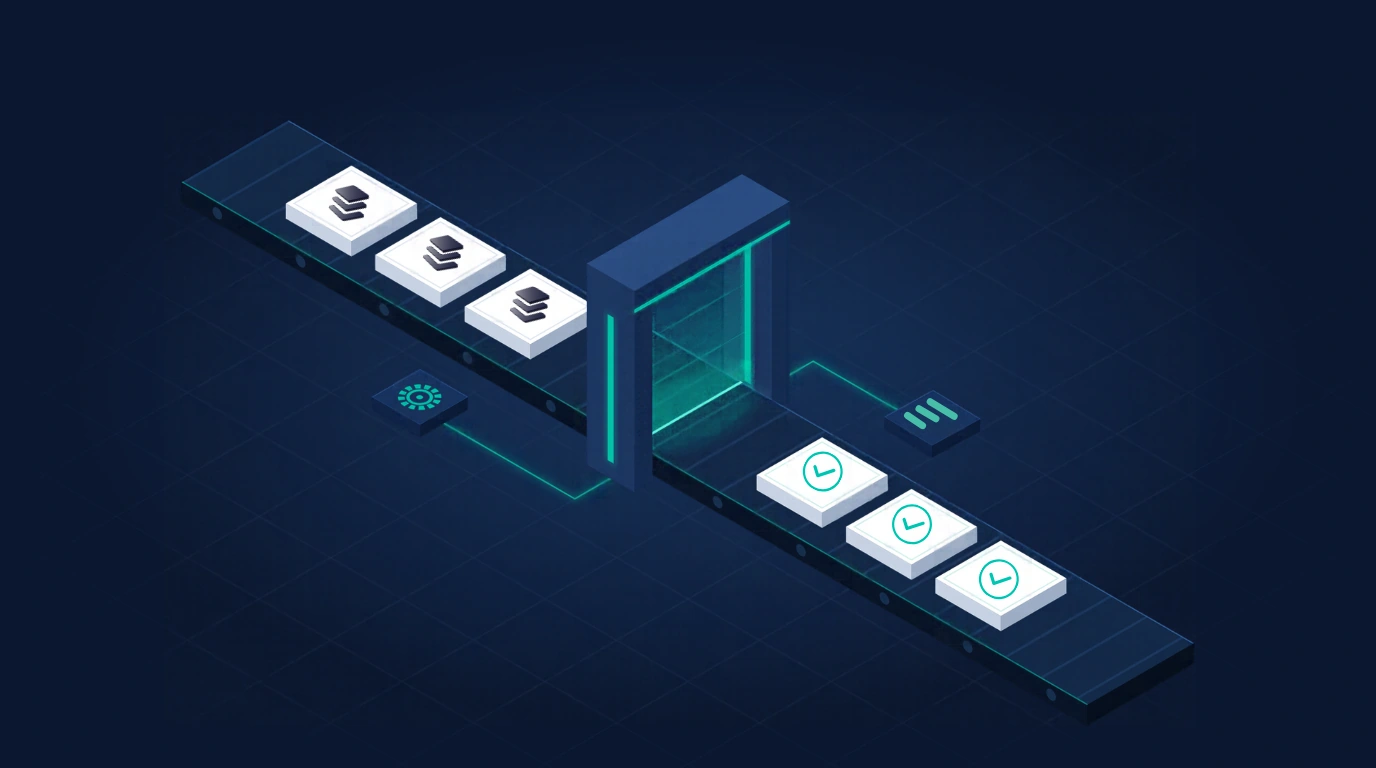
Data quality assesses whether data meets defined requirements for a business purpose. Data observability uses signals and context to understand data behavior and investigate problems. The two disciplines overlap, but neither label alone tells a buyer whether a specific control is covered.
Freshness can establish that a dataset arrived recently. It cannot, by itself, establish that the values are correct. A source to target reconciliation can establish agreement within a defined scope. It cannot prove that the source itself represents reality accurately.
Compare the questions each discipline asks
| Question | Useful evidence | What that evidence does not establish alone |
|---|---|---|
| Did the expected load arrive | Arrival time and processing status | Correct calculations or complete business coverage |
| Did behavior change unexpectedly | Volume or distribution changes | The business reason for the change |
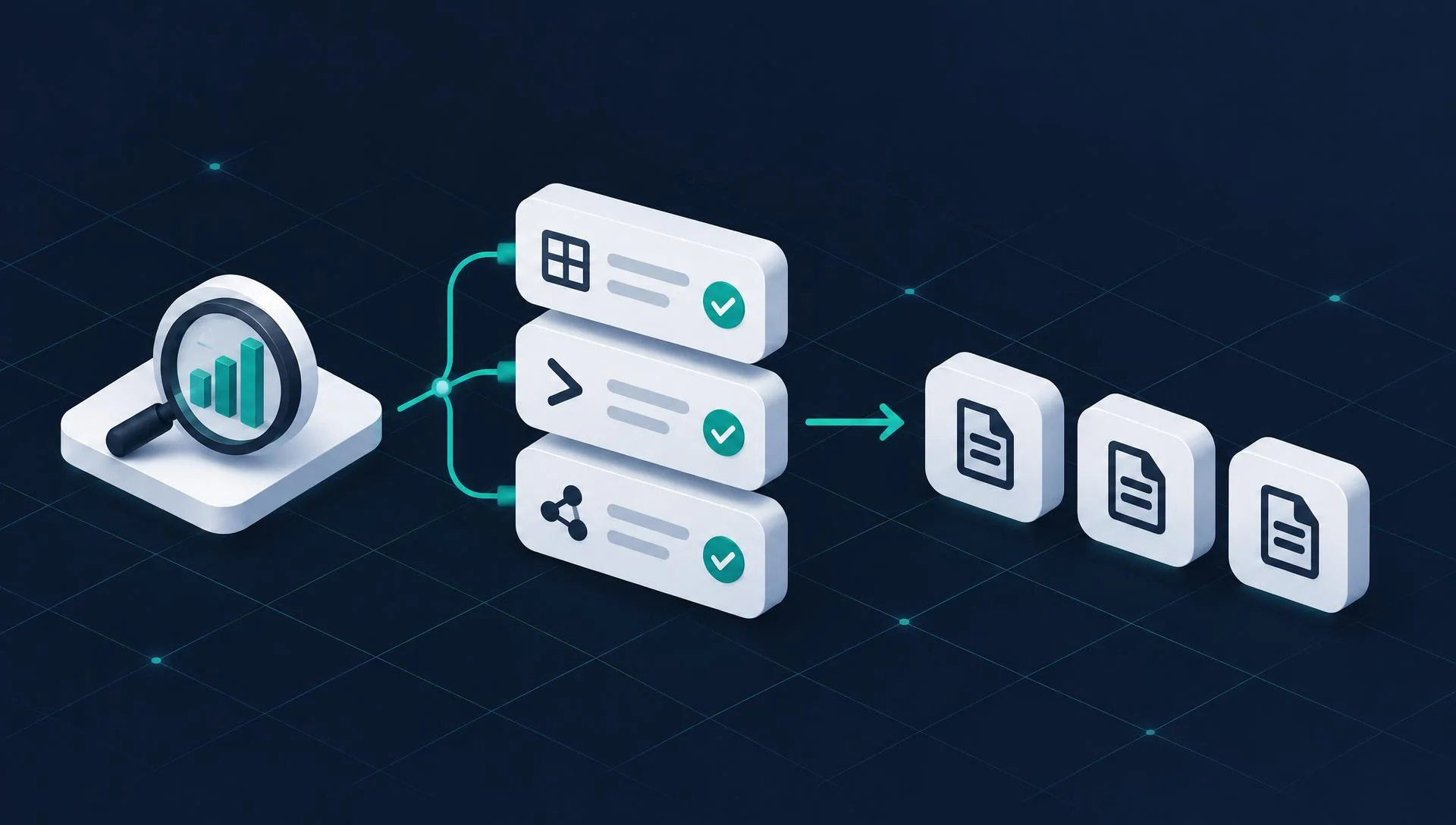
| Do values meet a requirement | Versioned rules and failed records | That the requirement captures every business risk |
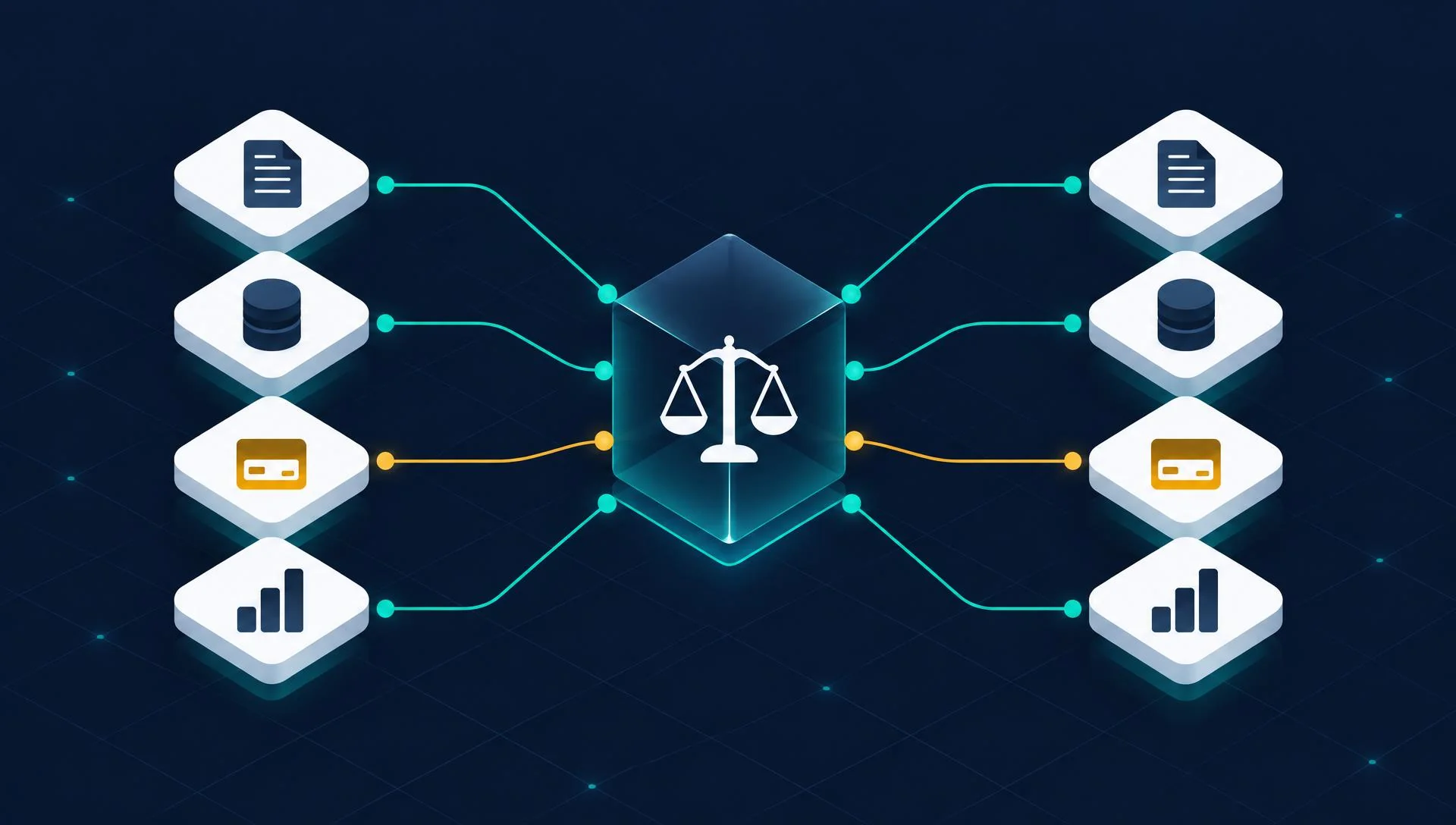
| Did two systems reconcile | Key, record, and value comparisons | That both systems are independently accurate |
| Who is affected by a change | Metadata, dependencies, and owner context | Complete dependency coverage without verification |
Observability platforms may include quality rules and comparison features. Quality platforms may include monitoring, anomaly detection, and diagnostic context. Evaluate the demonstrated workflow instead of treating category names as fixed technical boundaries.
A fresh revenue table can still be wrong
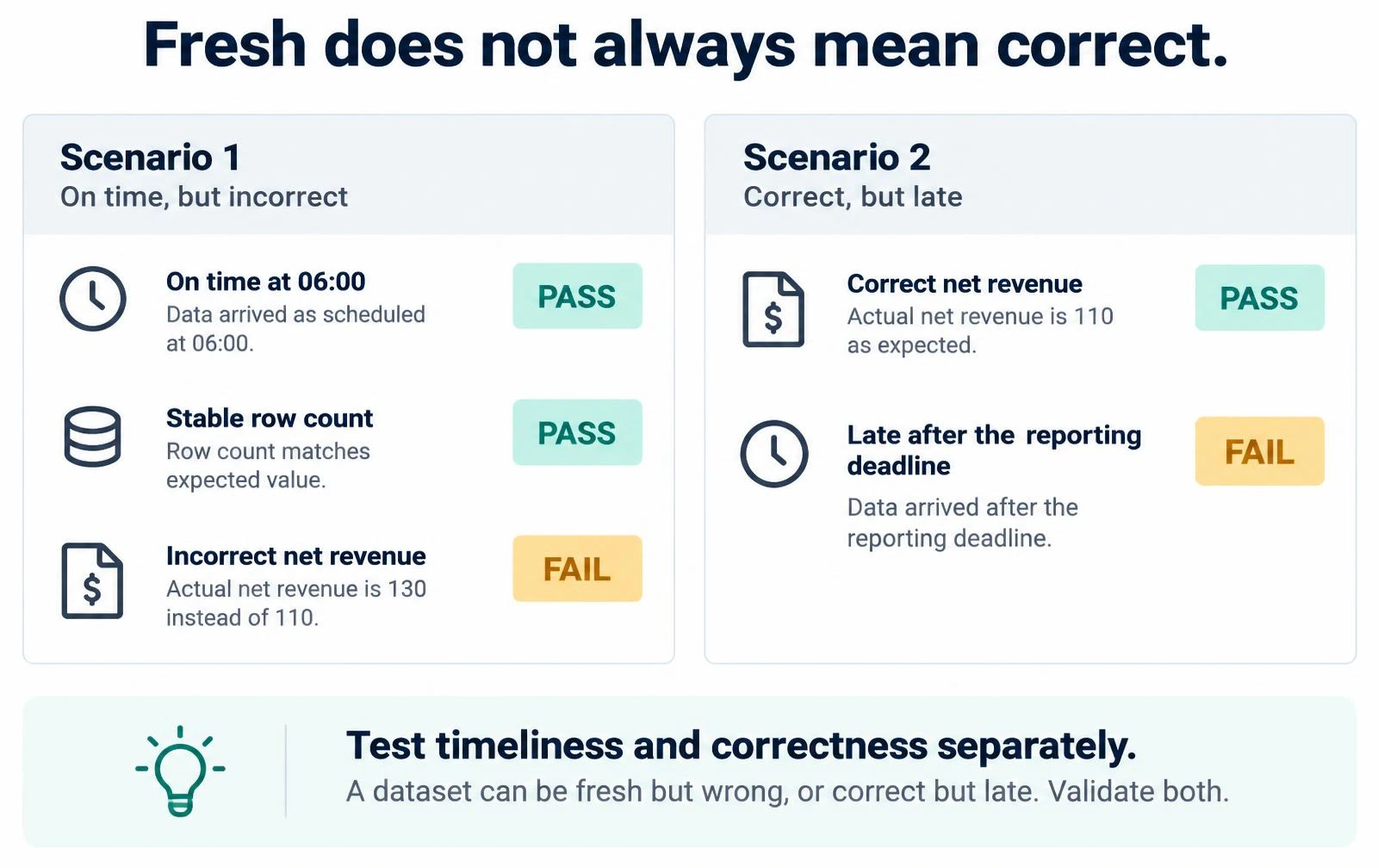
Consider an illustrative daily revenue feed. The load arrives at 06:00 as expected, and its row count is close to the prior day's count. A freshness check and a volume check both pass.
The transformation nevertheless applies a discount as a surcharge. An order with gross revenue of 120 and a discount of 10 becomes 130 instead of 110. A business rule that recomputes net revenue identifies the incorrect calculation. Comparing only the delivery time would not.
Now suppose another feed is correct but arrives after the reporting deadline. A transformation test may pass while the timeliness requirement fails. Both checks matter because they assess different requirements.
Matching totals need record evidence
Two offsetting errors can hide inside a passing aggregate. In a second illustrative example, order A should be 100 but is reported as 110, while order B should be 200 but is reported as 190. Both totals are 300. The population appears to reconcile until the test compares values by order key.
Choose the comparison grain according to the decision. A portfolio total may be appropriate for an initial screen; a settlement or customer statement may require record and field evidence. An aggregate result should state which differences it could leave undetected.
Build complementary controls
Begin with the critical decision, such as a financial close or inventory replenishment. Identify the data population and the consequences of missing, late, duplicated, or incorrect records. Assign explicit controls for those risks.
Use operational signals to identify failures and unusual behavior. Use defined rules and reconciliation to test known requirements. Add metadata and lineage context to determine affected assets and accountable owners. Retain the investigation and resolution so that the next incident can be understood in context.
An anomaly should trigger assessment, not an automatic conclusion that the data is wrong. A seasonal promotion can change an order distribution legitimately. Conversely, a stable distribution can contain consistently incorrect values. The owner needs the business context to decide.
Choose coverage through a proof of concept
Ask each platform to show how it detects and explains a delayed load, an incorrect transformation, a missing key, and an unexpected but valid business change. Check who investigates, what evidence is retained, and whether a corrected run can be traced to the original failure.
In RightData, position DataTrust around continuous data quality assessment and controls, validation, ETL testing, and reconciliation. Position RightSight around metadata, governance, profiling, reviewed rules, quality workflows, and change context. Confirm each required capability and integration in the demonstrated configuration rather than assigning every function to one product.
Read the quality dimensions guide to define measurable requirements, then use the reconciliation tool evaluation guide to assess comparison evidence.
Frequently asked questions
Does observability replace data quality testing
It depends on the implemented controls. A platform may provide both, but freshness, volume, and distribution signals alone do not replace tests of specific business rules or source to target agreement.
Can quality controls run continuously
Yes. Controls can run on a schedule or in response to processing events. Their frequency should reflect data availability, business risk, execution cost, and the supported implementation.
Which should an enterprise implement first
Start with the highest-risk decision and the missing evidence. Select the combination of controls and operational signals needed to support that decision, then expand coverage.
Request a Demo to review a reporting scenario that needs both operational context and evidence of data correctness.