Data fabric has evolved from a conceptual framework to a practical architecture for managing data at scale. This article traces that evolution and explores how data fabric addresses modern data management challenges.
The Origins of Data Fabric
The concept emerged from the need to address fragmented data landscapes:
- Proliferation of data sources and types
- Increasing regulatory requirements
- Demand for real-time access
- Growth of cloud and hybrid environments
- Need for self-service analytics
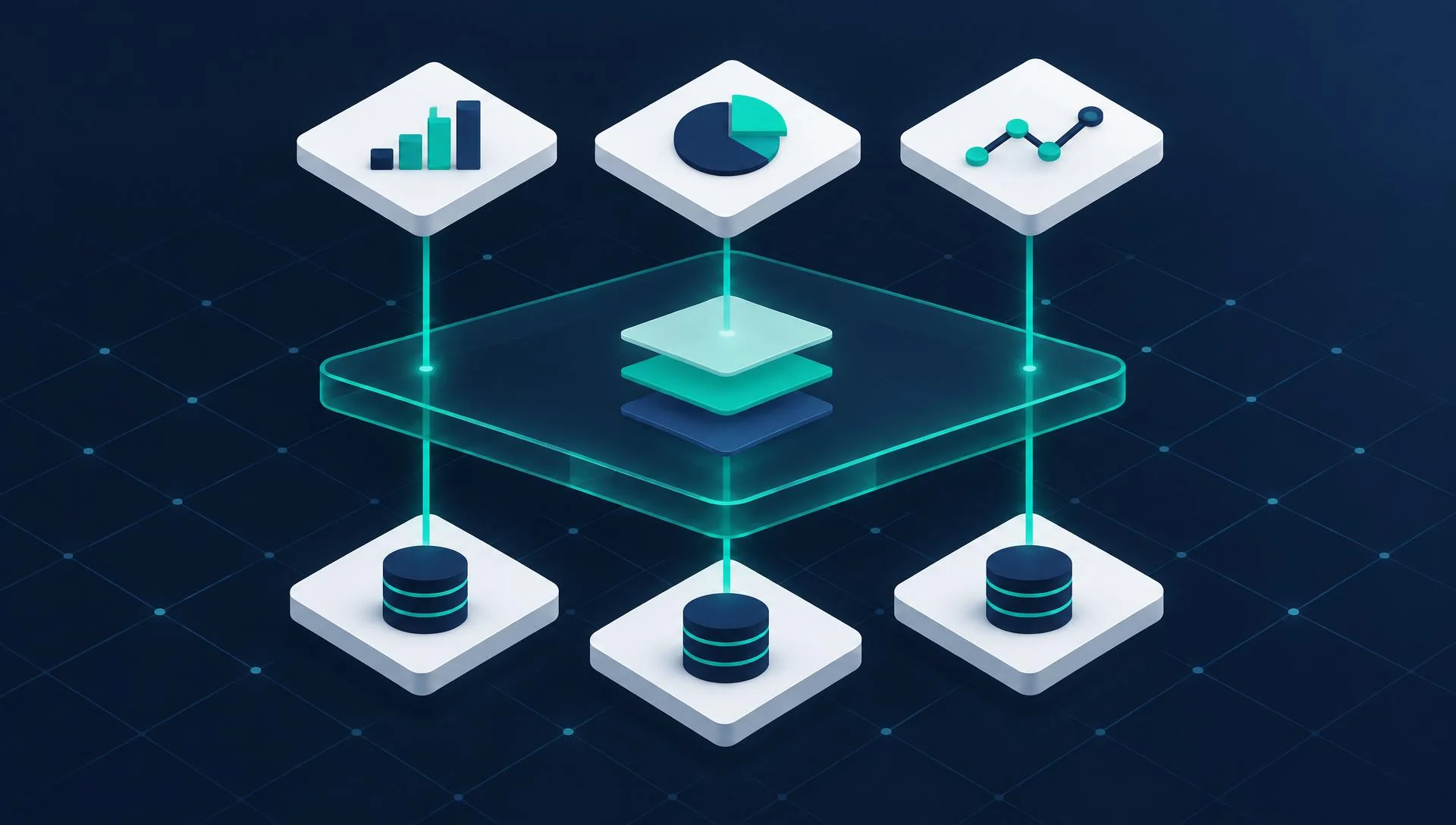
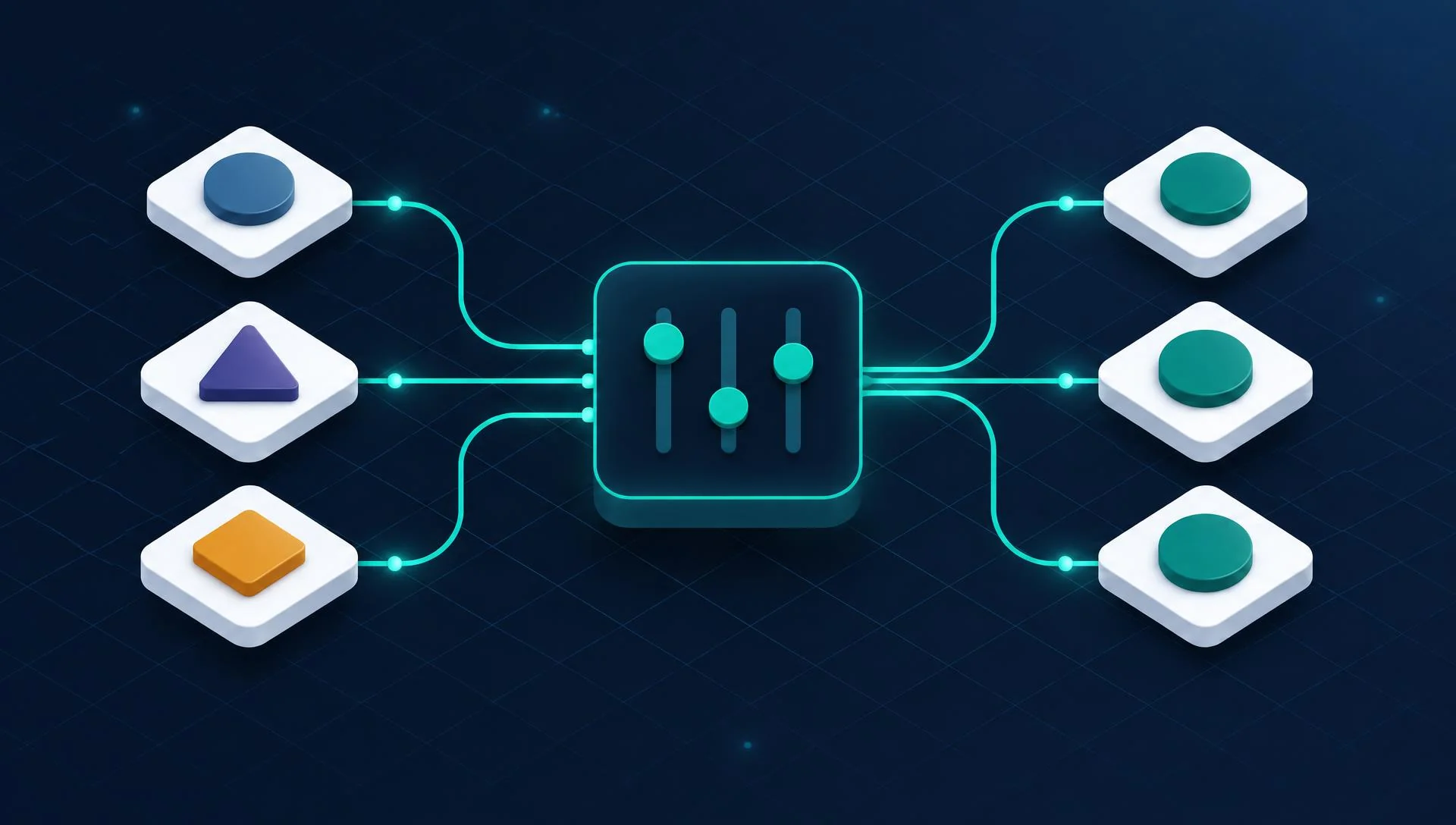
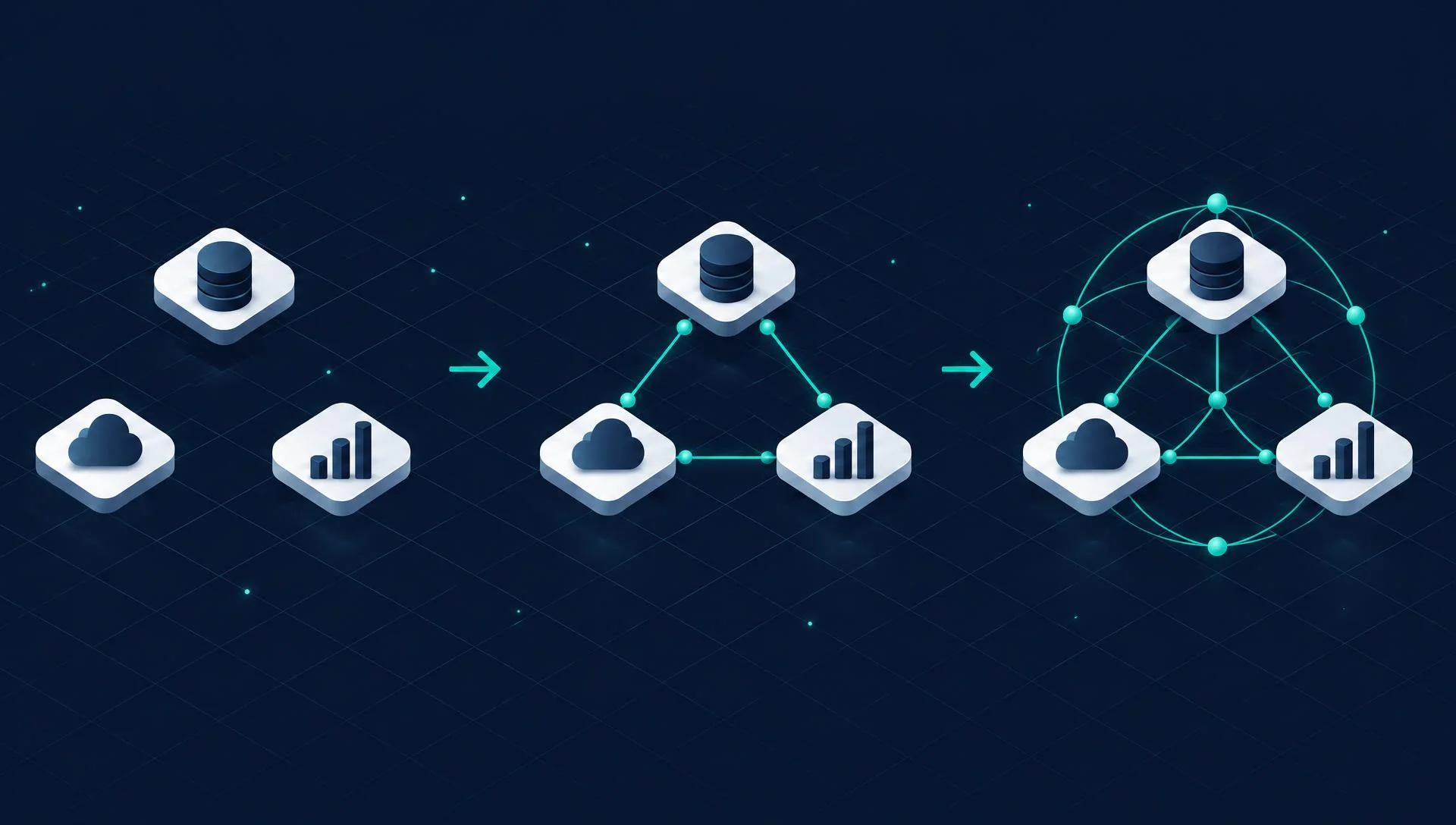
Early definitions emphasized the "fabric" metaphor—a unified layer connecting all data assets regardless of location or format.
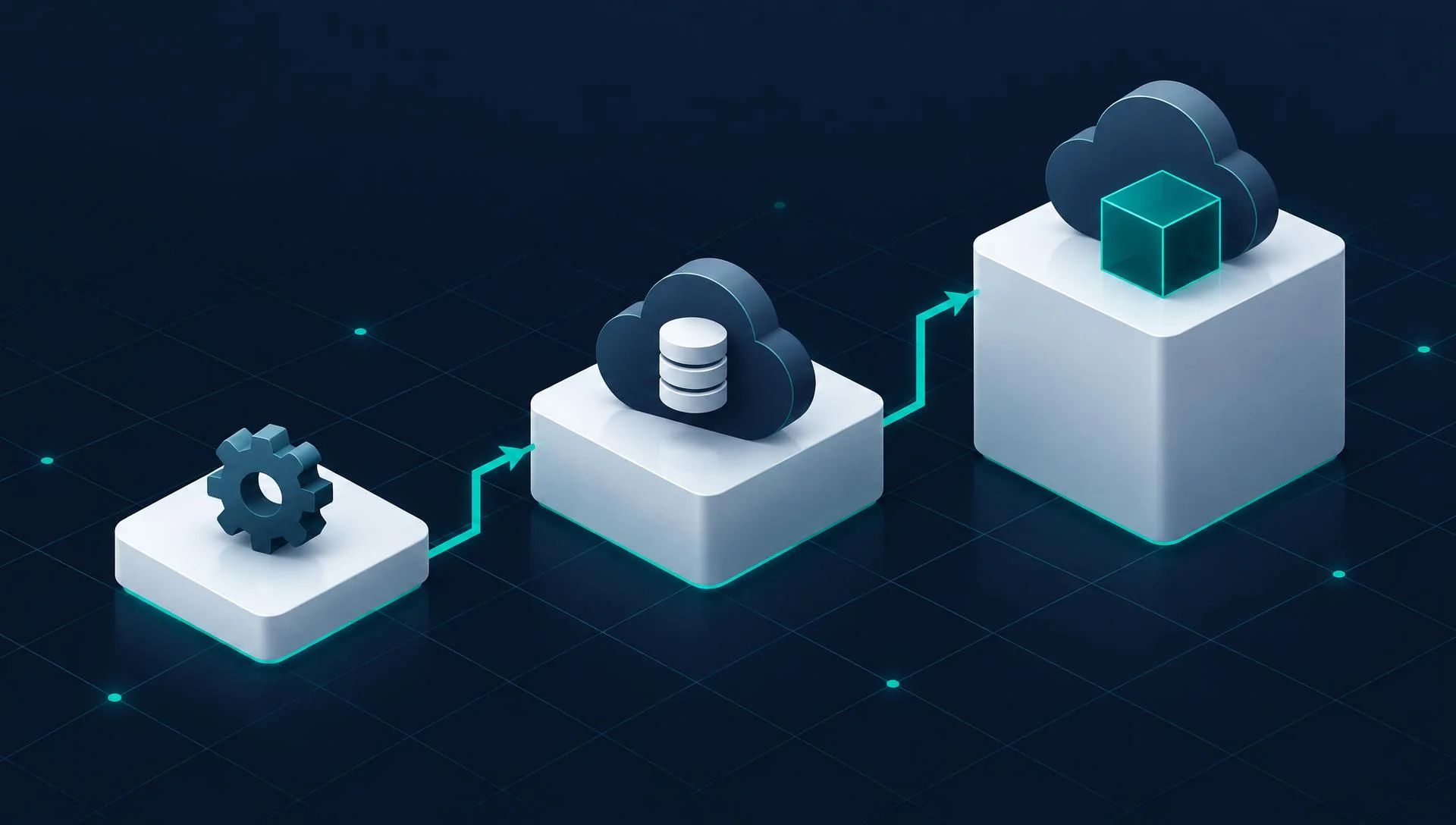
Evolution of Data Fabric Concepts
Phase 1: Integration Focus (2015-2018)
Initial emphasis on connectivity:
- Virtual data layer over sources
- Federated query capabilities
- Metadata-driven integration
- Cross-platform access
Phase 2: Intelligence Addition (2018-2020)
Incorporation of active metadata:
- Machine learning for recommendations
- Automated data discovery
- Pattern recognition
- Semantic understanding
Phase 3: Automation Emphasis (2020-Present)
Focus on reducing manual effort:
- Self-healing data pipelines
- Automated governance enforcement
- Intelligent optimization
- Natural language interfaces
Core Data Fabric Capabilities
Active Metadata Management
Unlike passive metadata catalogs, data fabric uses metadata actively:
- Powers recommendations and automation
- Drives governance decisions
- Enables semantic understanding
- Supports impact analysis
Unified Data Access
Single point of access regardless of data location:
- Abstraction of physical details
- Consistent security model
- Optimized query routing
- Cross-source joins
AI/ML-Powered Automation
Intelligence throughout the architecture:
- Automated data discovery
- Relationship detection
- Quality anomaly identification
- Usage-based optimization
Integrated Governance
Governance embedded in operations:
- Policy enforcement at access time
- Automated classification
- Compliance monitoring
- Lineage tracking
Data Fabric vs. Traditional Approaches
| Capability | Traditional | Data Fabric |
|---|---|---|
| Integration | Point-to-point | Unified layer |
| Metadata | Passive catalog | Active intelligence |
| Governance | Separate system | Embedded |
| Automation | Manual processes | ML-driven |
| Access | Source-specific | Unified |
Implementation Patterns
Logical Data Fabric
Leaves data in place, provides virtual access:
- Lower infrastructure cost
- Real-time source data
- Potential performance challenges
- Source dependency
Physical Data Fabric
Moves and consolidates data:
- Optimized performance
- Reduced source load
- Higher storage costs
- Potential freshness lag
Hybrid Approach
Combines virtual and physical based on use case:
- Frequent queries materialized
- Rare queries federated
- Balance of performance and cost
- Flexible optimization
Key Success Factors
Executive Sponsorship: Fabric initiatives span the organization and need senior support.
Incremental Approach: Start with high-value use cases, expand systematically.
Change Management: Users and teams need to adapt to new ways of working.
Vendor Selection: Evaluate solutions against your specific environment and requirements.
Measurement: Define and track metrics that demonstrate business value.
The Future of Data Fabric
Evolution continues in several directions:
Greater Automation: More tasks handled without human intervention.
Tighter AI Integration: Generative AI for natural language access and content creation.
Edge Integration: Extending fabric to edge computing environments.
Multi-Cloud Maturity: Better handling of complex multi-cloud scenarios.
Conclusion
Data fabric has matured from concept to practical architecture. Organizations facing data complexity should evaluate how fabric concepts can address their challenges. The key is matching capabilities to specific needs rather than adopting buzzwords.
Frequently asked questions
Is a data fabric a single product?
Data fabric describes an approach to connecting data-management capabilities across an estate. A vendor platform may support part of that approach, but the implementation also needs defined sources, metadata, ownership, access and operating responsibilities. Evaluate the actual workflow and coverage rather than treating a product label as a complete architecture.
How does active metadata support a data fabric?
Metadata can inform tasks such as discovery, impact review and the routing of a change to an owner. To make it actionable, retain the observed source, time, business context and applicable decision rule. Missing or stale metadata should remain visible so automation cannot silently act on an incomplete picture.
Does a data fabric guarantee automatic remediation or universal access?
No. Supported automation and access depend on the implemented tools, source coverage, permissions and approved operating rules. Separate a suggested action from an authorized change. Evaluate a representative use case and record unsupported paths instead of assuming that a unified interface covers every system or removes ownership decisions.