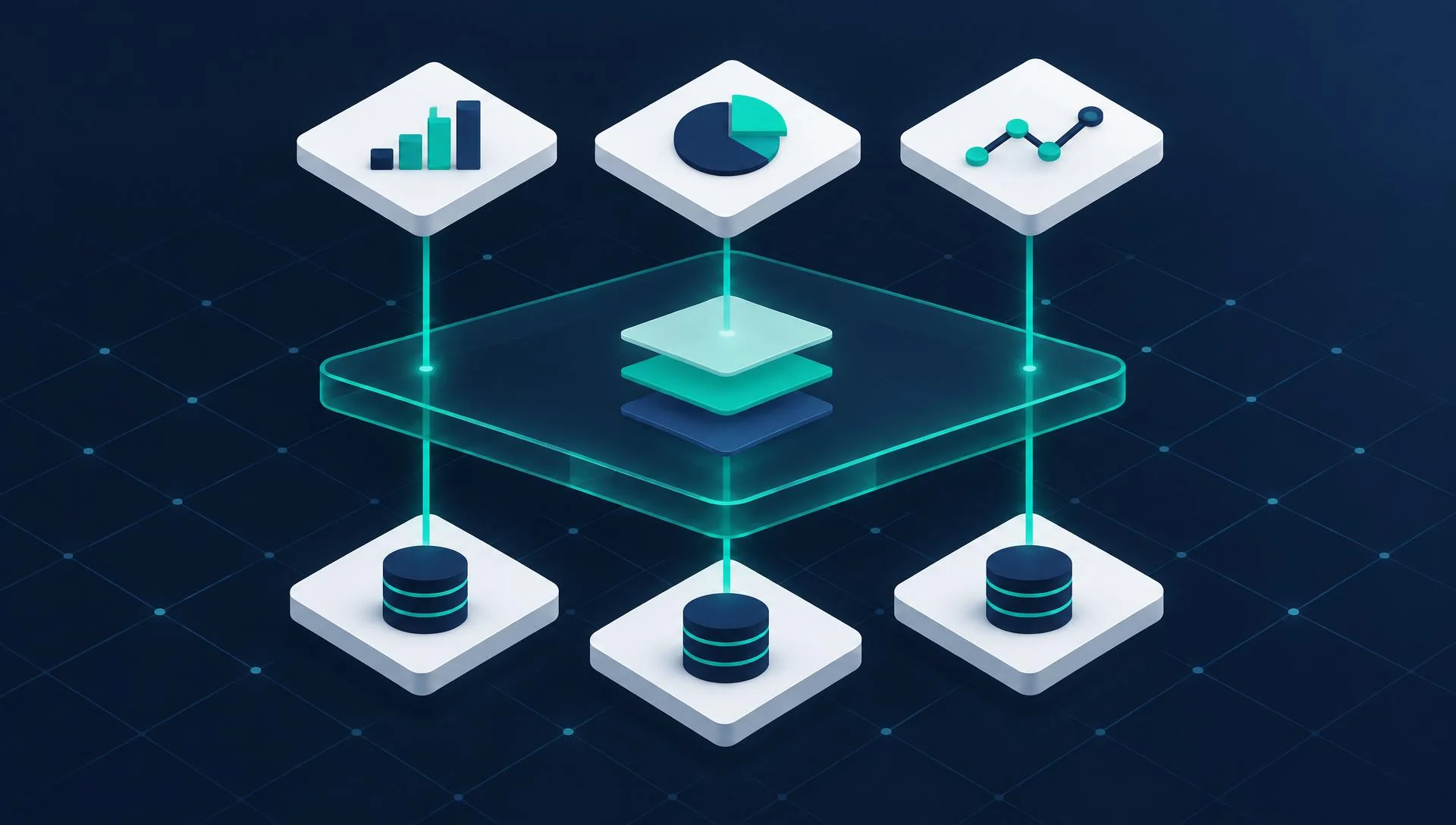
The semantic layer is a critical component of modern data architecture. It provides a business-friendly view of data that enables self-service analytics while maintaining governance—bridging the gap between complex technical data structures and business user needs.
What is a Semantic Layer?
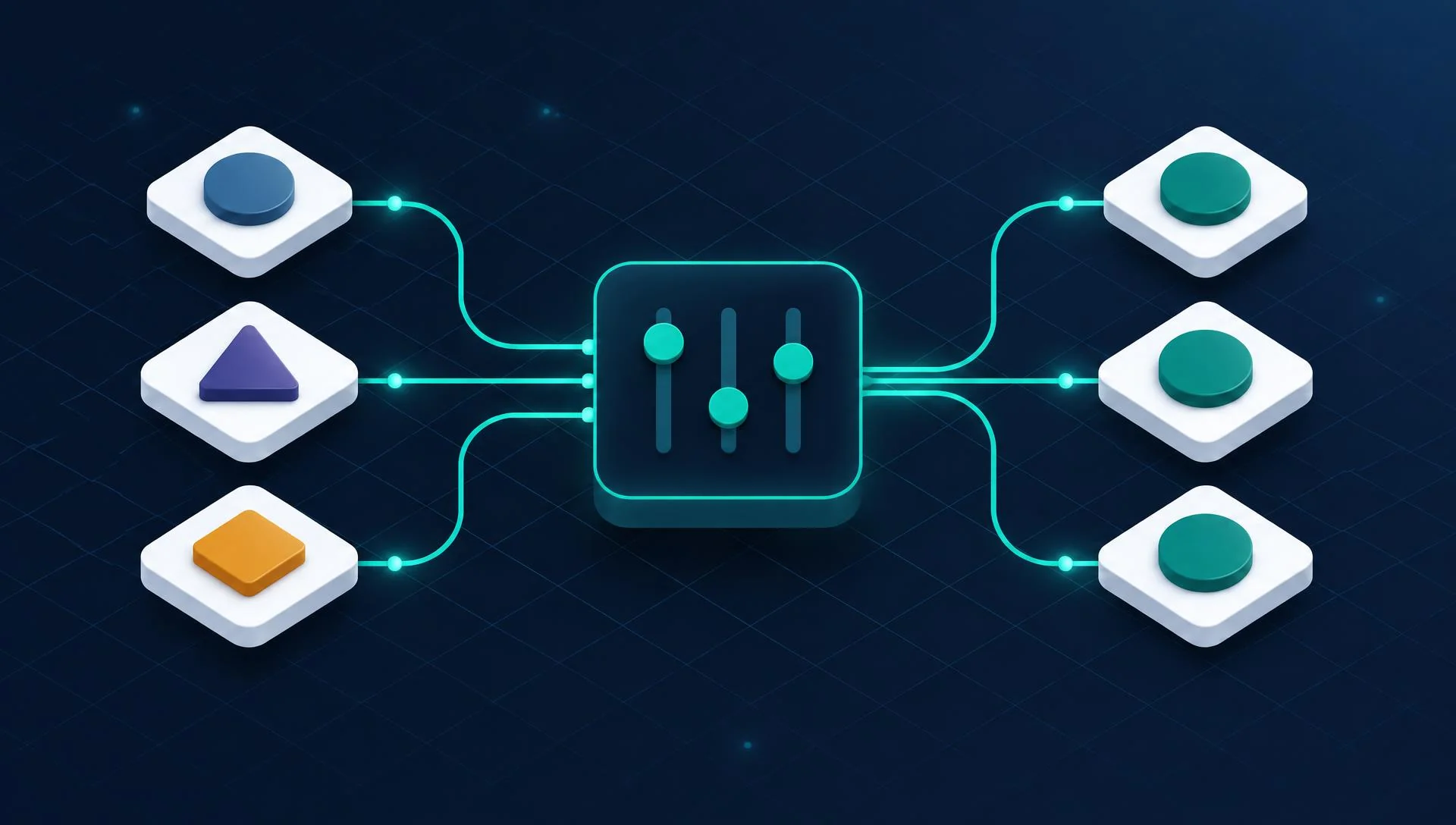
A semantic layer is an abstraction that sits between your raw data and your business users. It translates complex database schemas, table joins, and technical terminology into business-friendly concepts that anyone can understand and use.
Think of it as a "Rosetta Stone" for your data—translating technical data speak into business language.
Why Organizations Need a Semantic Layer
The Challenge of Data Silos
In most organizations:
- Senior Executives need high-level KPIs and trends
- Business Analysts need detailed metrics for analysis
- Data Scientists need granular data for modeling
- Operations Teams need real-time operational data
Without a semantic layer, each group creates their own definitions, calculations, and reports—leading to:
- Inconsistent metrics across departments
- "Which number is right?" debates
- Duplicated effort in data preparation
- Shadow IT and ungoverned data access
The Semantic Layer Solution
A semantic layer provides:
1. Common Business Language
- Standardized definitions for metrics and dimensions
- Business glossary integration
- Consistent calculations everywhere
2. Self-Service Access
- Business users can explore data without SQL
- Drag-and-drop interface for analysis
- Natural language queries (with Gen AI)
3. Governance & Security
- Centralized access control
- Audit trails for compliance
- Data lineage visibility
4. Performance Optimization
- Query optimization and caching
- Aggregation and pre-computation
- Efficient data access patterns
Virtualization vs. Materialization
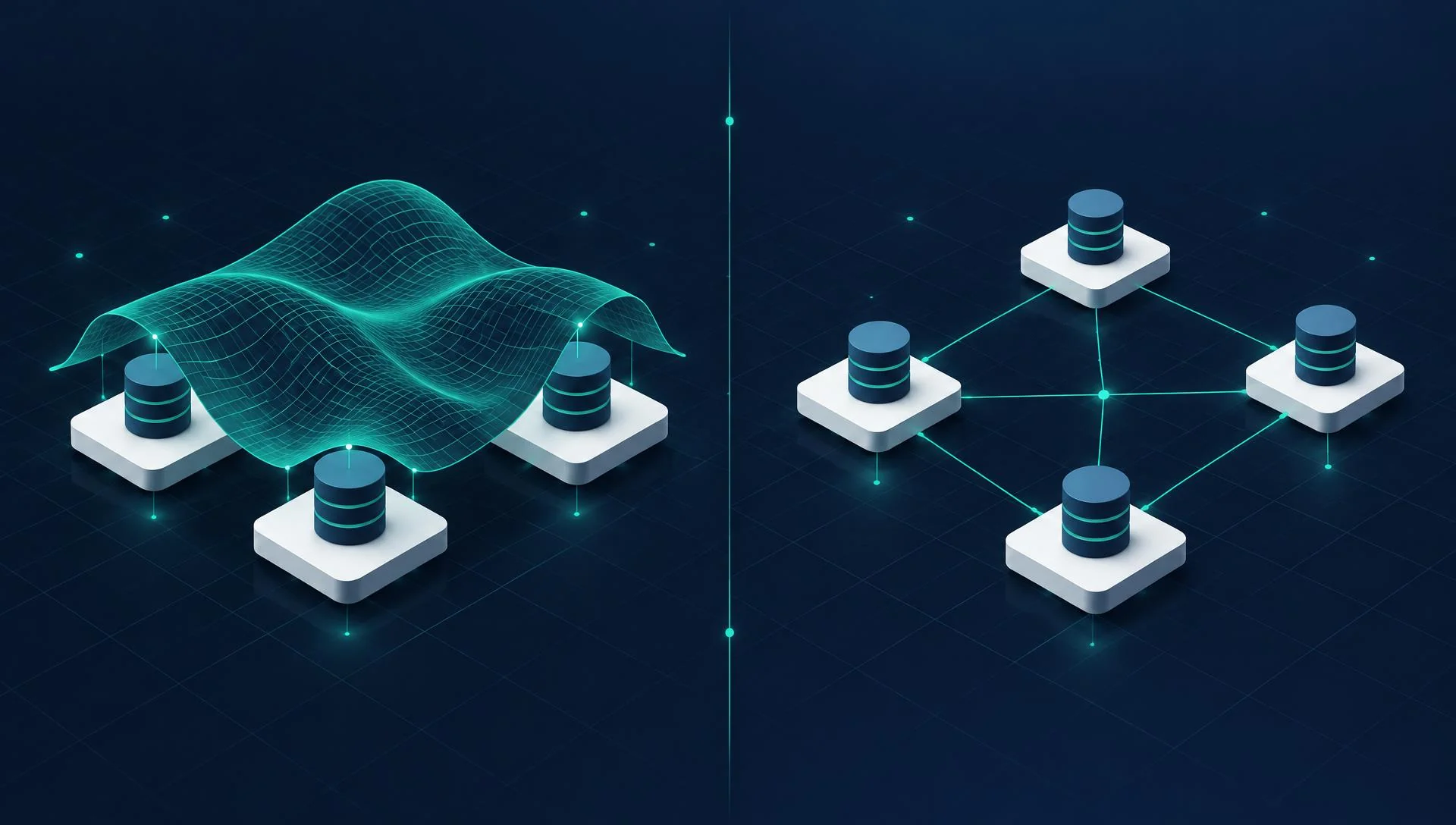
When implementing a semantic layer, organizations must choose between:
Virtualized Approach
- Real-time access to source data
- No data duplication
- Always current
- May have performance limitations
Materialized Approach
- Pre-computed aggregations
- Faster query performance
- Additional storage required
- Potential for data staleness
Hybrid Approach (Recommended)
- Virtualize for real-time needs
- Materialize for complex aggregations
- Balance freshness with performance
The Role of Gen AI
Modern semantic layers increasingly leverage Generative AI to:
- Enable natural language queries ("Show me sales by region last quarter")
- Suggest relevant metrics and dimensions
- Auto-generate descriptions and documentation
- Identify data quality issues
Implementing a Semantic Layer with DataMarket
RightData's DataMarket includes built-in semantic layer capabilities:
- Business Glossary for standardized definitions
- Data Products that encapsulate business logic
- AI-Powered Discovery for natural language access
- Governance with access control and lineage
By treating your semantic layer as a collection of data products, you can democratize access while maintaining trust and governance.
Conclusion
The semantic layer is no longer optional—it's essential for organizations that want to:
- Empower business users with self-service analytics
- Maintain consistent metrics across the enterprise
- Enable AI and advanced analytics
- Ensure governance and compliance
Contact us to learn how DataMarket can help you implement a semantic layer that unlocks the power of your data.
Frequently asked questions
Is a glossary a semantic layer
No. A glossary records meaning and ownership. A semantic layer can implement meaning in measures, relationships, and query behavior. They should be connected and kept consistent.
Can a semantic layer fix incorrect source data
It can express calculations and business rules, but source correctness still needs relevant validation and authoritative evidence. A well-defined metric can be calculated from wrong inputs.
Can two users receive different results for the same metric
Yes, when their permitted data scopes differ. Explain the scope so users do not mistake an authorization difference for a definition inconsistency.