Data products are transforming how organizations think about and deliver data value. But what exactly is a data product, and why does it matter for your organization?
Defining Data Products
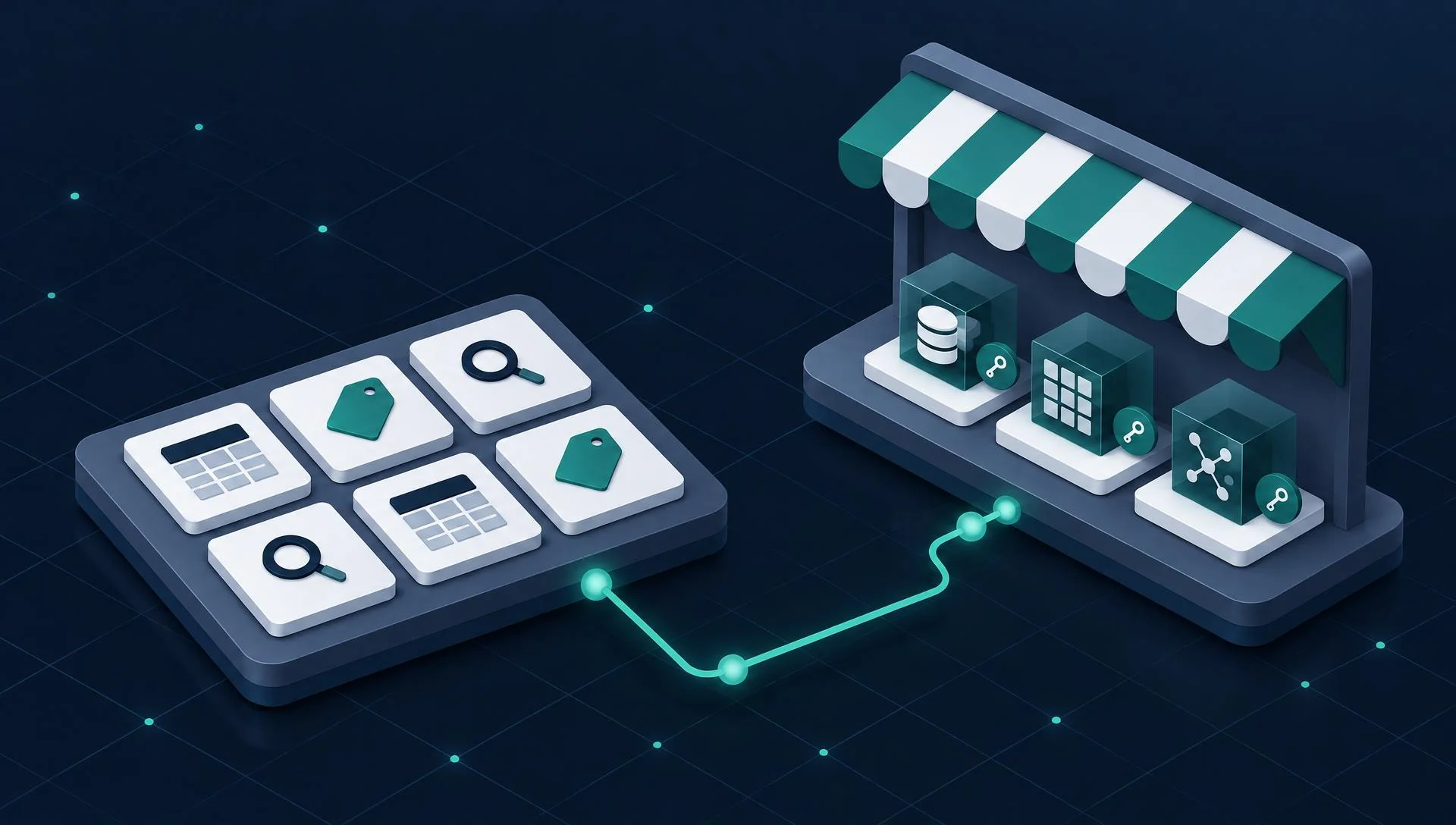
A data product is a reusable data asset that is designed, built, and managed with the same rigor as a software product. Unlike traditional data assets that are often created for specific projects, data products are:
- Discoverable: Users can easily find and understand what's available
- Addressable: Each product has a unique identifier and access mechanism
- Trustworthy: Quality is measured, monitored, and guaranteed
- Self-Describing: Documentation and metadata are embedded, not afterthoughts
- Interoperable: Products can be combined and composed with other products
- Secure: Access is governed and auditable
Data Products vs. Traditional Data Assets
Traditional approaches to data often result in siloed, project-specific datasets that are difficult to reuse. Data consumers spend more time finding and preparing data than analyzing it.
Data products change this by treating data as a managed asset with:
- Clear ownership and accountability
- Published SLAs for quality and availability
- Standard interfaces for consumption
- Version control and change management
- Usage analytics and feedback loops
Types of Data Products
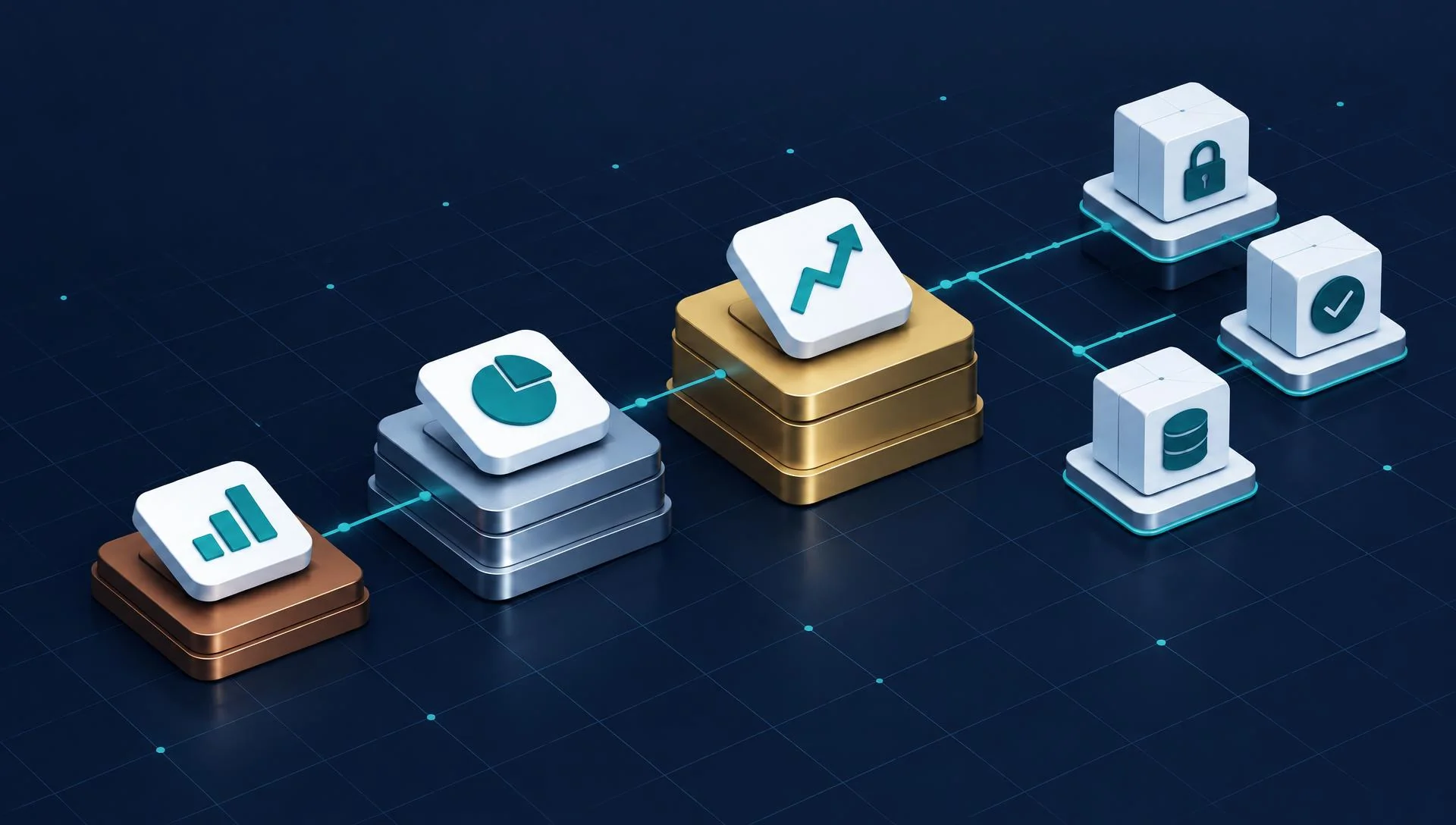
Source-Aligned Products: Provide cleaned, standardized access to operational source data. Examples include customer master data or transaction records.
Aggregate Products: Combine and summarize data for specific analytical needs. Examples include monthly sales metrics or customer segments.
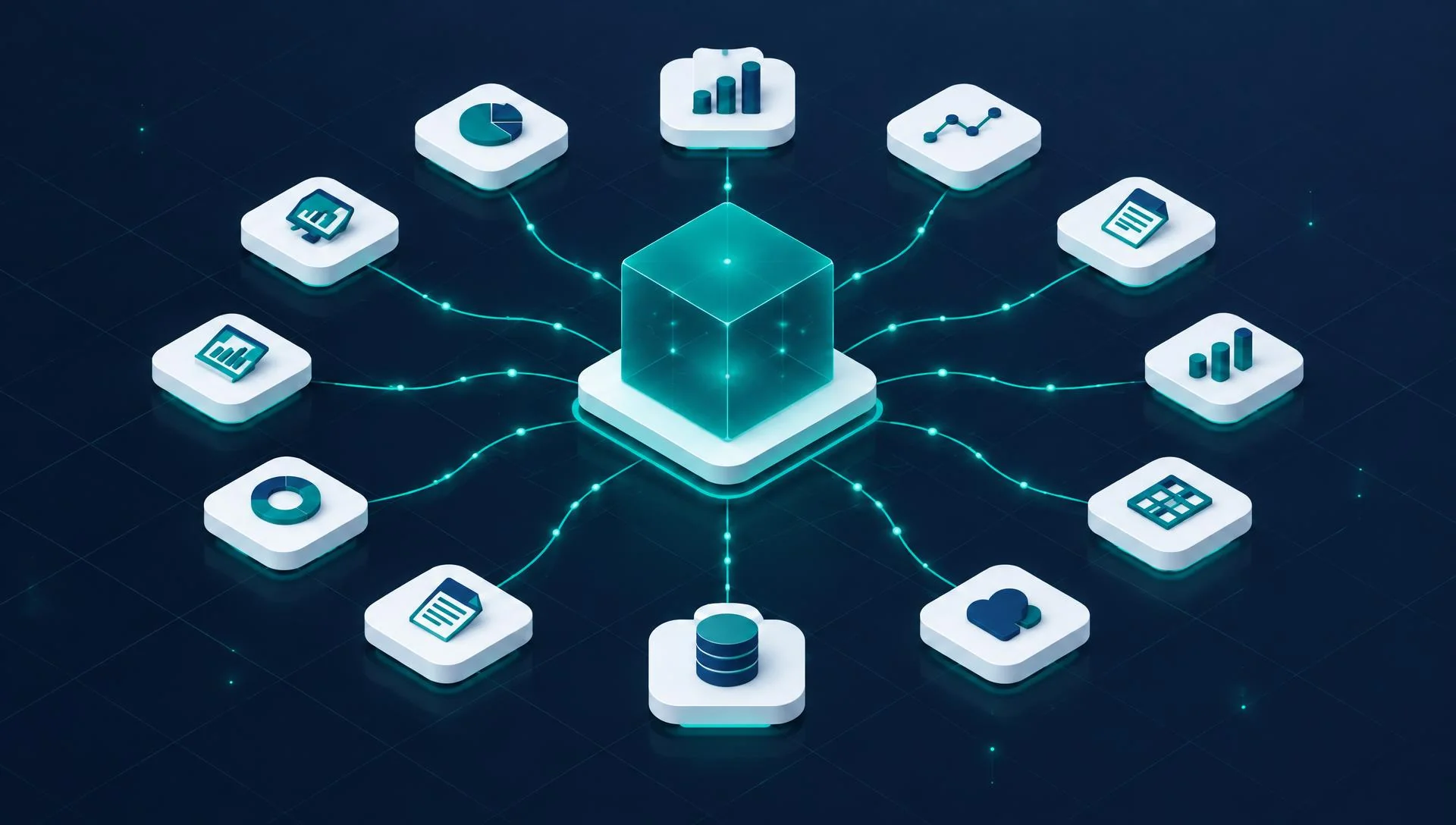
Consumer-Aligned Products: Tailored for specific use cases or applications. Examples include ML feature stores or dashboard datasets.
Why Data Products Matter
Organizations embracing data products see significant benefits:
- Reduced Time to Insight: Data consumers spend less time on data prep and more on analysis
- Improved Data Quality: Products have clear quality standards and ownership
- Better Governance: Access control and lineage are built-in
- Increased Reuse: Products designed for multiple consumers maximize value
- Faster Innovation: Composable products accelerate new use case development
Getting Started with Data Products
Begin by identifying your most valuable, widely-used data assets. Work with both data producers and consumers to understand requirements. Start small with one or two products, learn from the experience, and scale from there.
The journey to data products is as much about culture and process as technology. Success requires commitment from leadership, clear ownership models, and investment in capabilities. The payoff is an organization that can move faster, trust its data, and unlock new value from its data assets.
Frequently asked questions
Is every dataset a data product
No. A product needs a defined consumer purpose and an operating model around meaning, ownership, quality expectations, access, and support.
Can a dashboard be a data product
It can be a product or part of one if those responsibilities are explicit. The visualization alone does not establish product readiness.
Does approval guarantee future quality
No. Approval applies to a defined scope and point in the lifecycle. Continued suitability needs monitoring, controls, review, and an incident process.