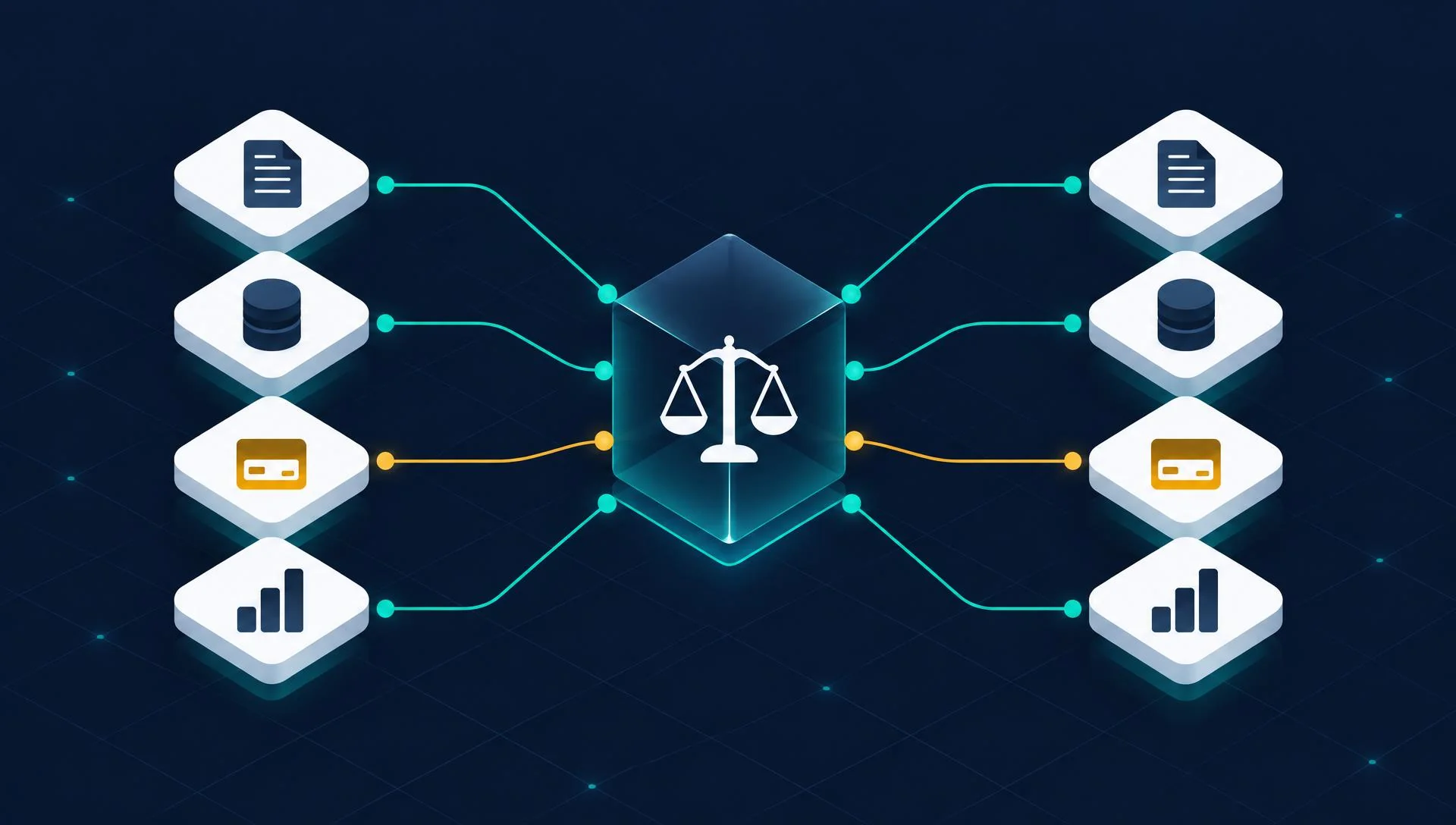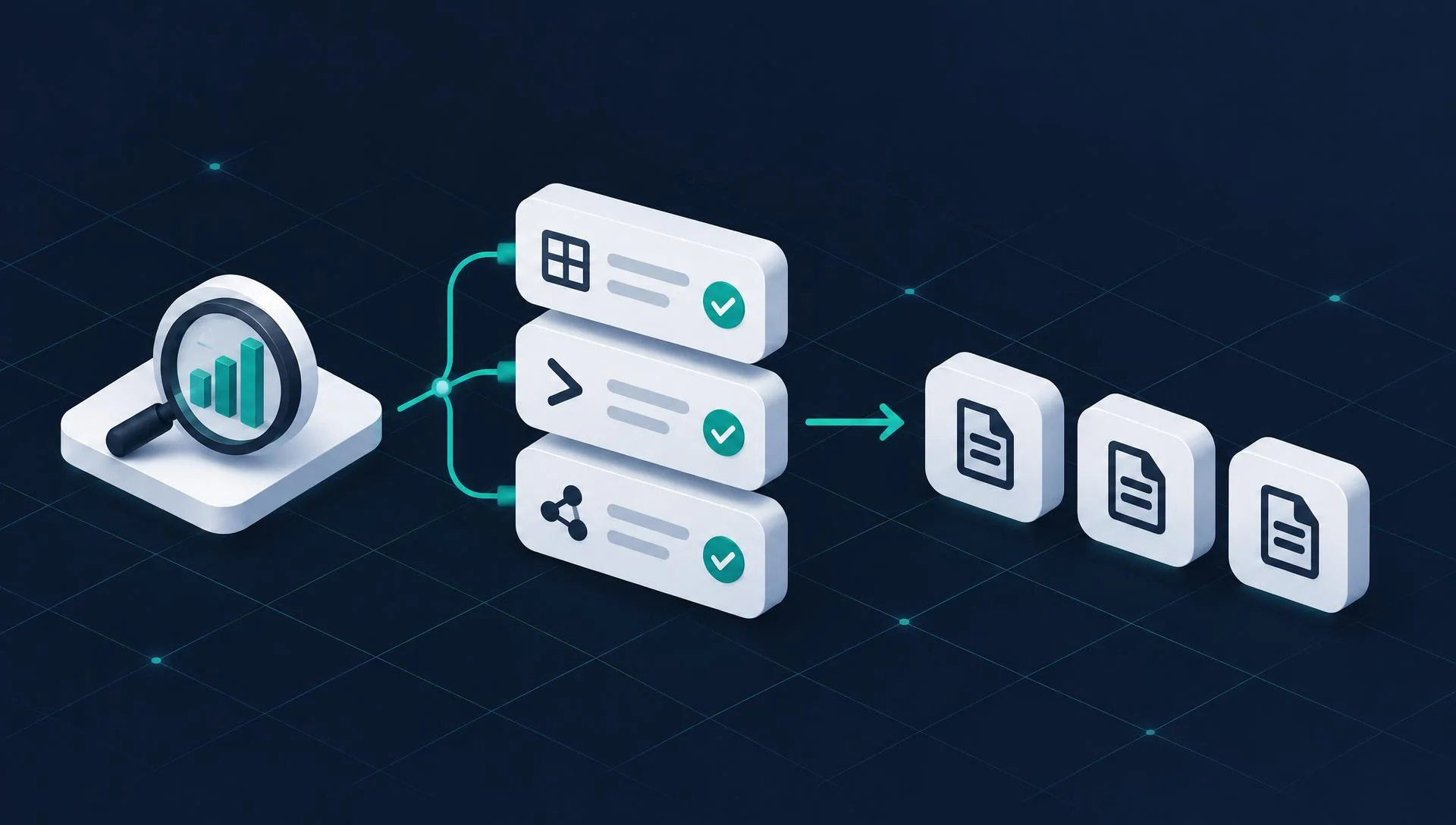
Achieving data quality requires a systematic approach. These seven steps provide a roadmap for building and maintaining trusted data across your organization.
Step 1: Assessment
Objective: Understand your current data quality state
Activities:
- Inventory critical data assets
- Identify data quality pain points
- Interview stakeholders about data issues
- Review existing quality processes
- Benchmark against industry standards
Outputs: Data quality assessment report with prioritized areas for improvement
Step 2: Profiling
Objective: Analyze data to understand its characteristics
Activities:
- Examine data structure and formats
- Analyze value distributions and patterns
- Identify missing and null values
- Detect duplicates and anomalies
- Document data relationships
Outputs: Data profiles for critical datasets with findings and recommendations
Step 3: Standardization
Objective: Establish consistent data formats and values
Activities:
- Define standard formats (dates, addresses, phones)
- Create reference data lists for standardized values
- Develop naming conventions
- Establish data models for consistency
- Document standards in data dictionaries
Outputs: Data standards documentation and reference data repositories
Step 4: Cleansing
Objective: Correct existing data quality issues
Activities:
- Remove or merge duplicate records
- Correct invalid values
- Fill missing critical data
- Standardize formats and values
- Validate against reference data
Outputs: Cleansed datasets with documentation of changes made
Step 5: Enrichment
Objective: Enhance data with additional value
Activities:
- Append data from external sources
- Derive calculated fields
- Add geographic or demographic attributes
- Link related records across systems
- Validate and complete partial records
Outputs: Enriched datasets with provenance documentation
Step 6: Monitoring
Objective: Maintain quality through continuous oversight
Activities:
- Implement automated quality checks
- Create quality dashboards and metrics
- Establish alerting for quality issues
- Schedule regular quality reviews
- Track quality trends over time
Outputs: Quality monitoring infrastructure with real-time visibility
Step 7: Governance
Objective: Sustain quality through organizational processes
Activities:
- Assign data ownership and stewardship
- Establish data quality policies
- Create issue resolution processes
- Integrate quality into data projects
- Train staff on quality responsibilities
Outputs: Data governance framework with defined roles and processes
Making It Work
Start Small
Don't try to fix everything at once. Focus on the highest-value, highest-pain data domains first.
Build Momentum
Quick wins build credibility and support for broader initiatives. Celebrate and communicate successes.
Invest in Tools
Manual quality management doesn't scale. Invest in automation to enable sustainable practices.
Engage the Business
Data quality is a business issue. Business ownership and engagement are essential for success.
Measure Impact
Connect quality improvements to business outcomes. This justifies ongoing investment.
Common Questions
How long does implementation take
Duration depends on the selected domain, source access, definitions, integrations, control requirements, and review availability. Establish an agreed pilot scope and acceptance criteria before committing to a delivery estimate.
What should the first pilot cover
Choose a critical consumer task with a manageable asset population and accountable owners. Define the expected result, relevant controls, access requirements, and evidence of completion.
Which capabilities are needed
The process can require profiling, approved definitions, validation, exception handling, and remediation through authorized workflows. Confirm which products and external processes perform each responsibility rather than assuming every correction is included in one platform.
How should progress be measured
Measure coverage of critical requirements, unresolved and recurring defects, owner response, and the effect on the consumer task. State the population and reporting window for each measure.
Conclusion
These seven steps provide a proven framework for data quality improvement. Success requires commitment to treating quality as an ongoing discipline, not a one-time effort. Organizations that follow this approach systematically will build the trusted data that enables confident decisions.