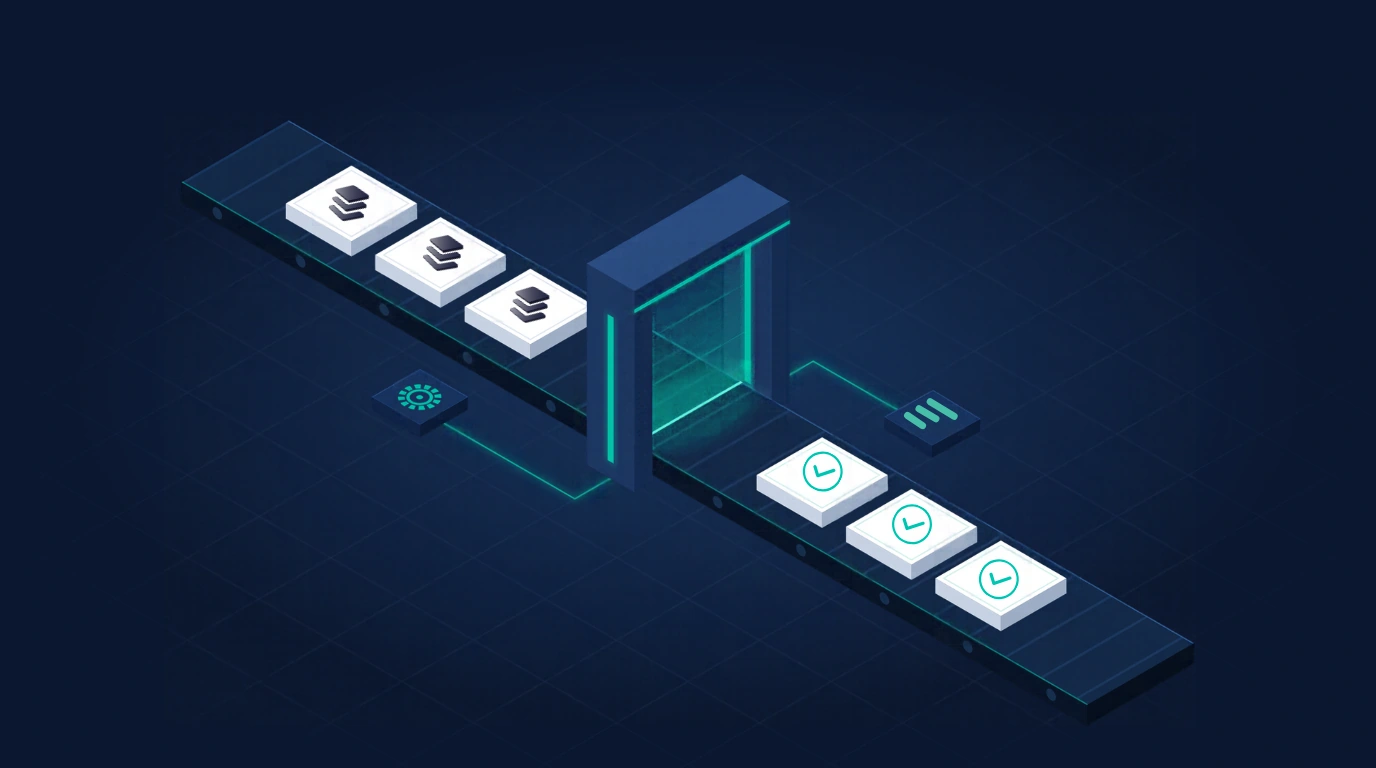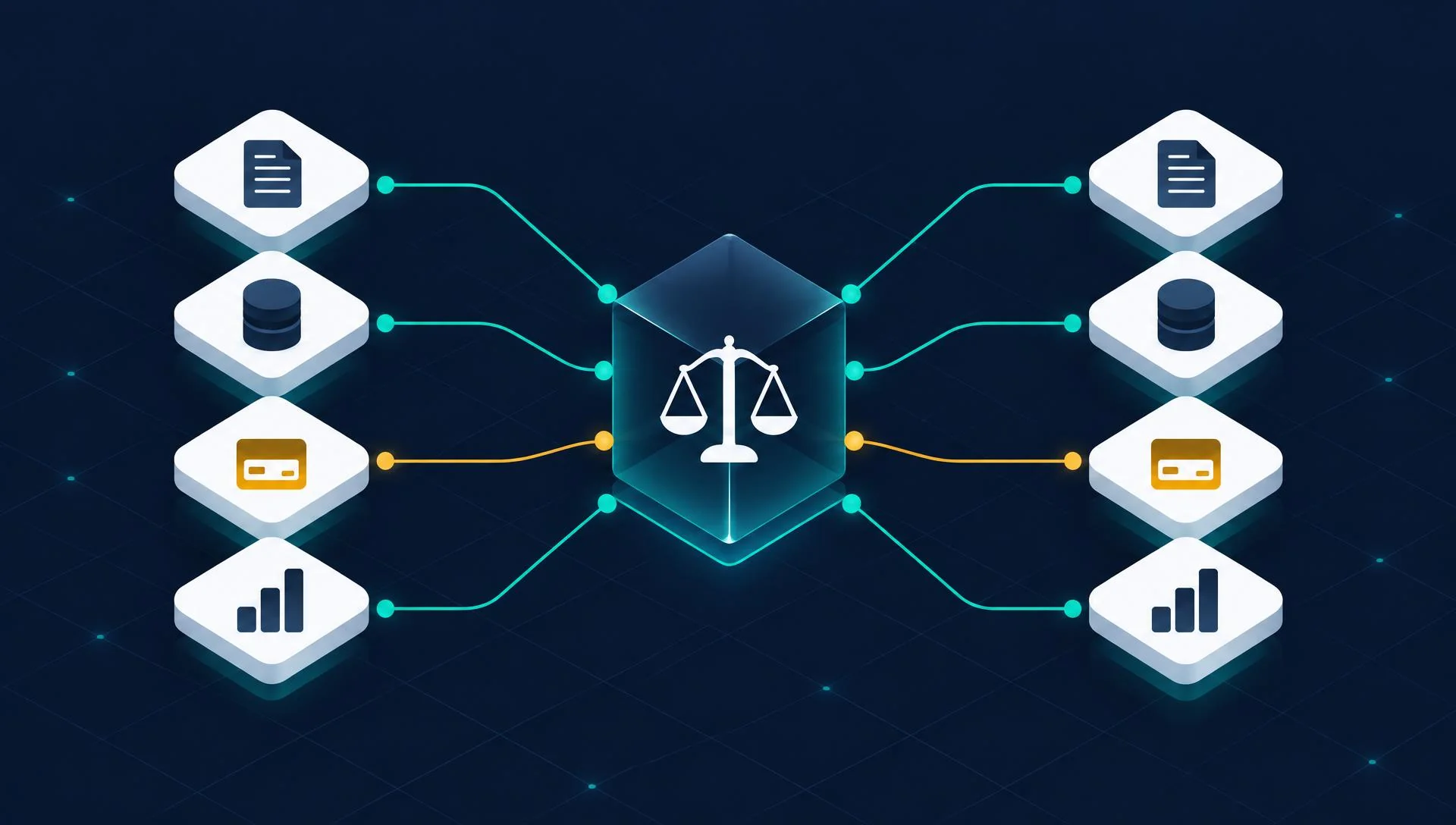
In large enterprises, SAP ERP is the financial and operational backbone. It is the system of record for general ledger, sub-ledgers, revenue, inventory, procurement, and operational transactions. Yet SAP rarely operates alone.
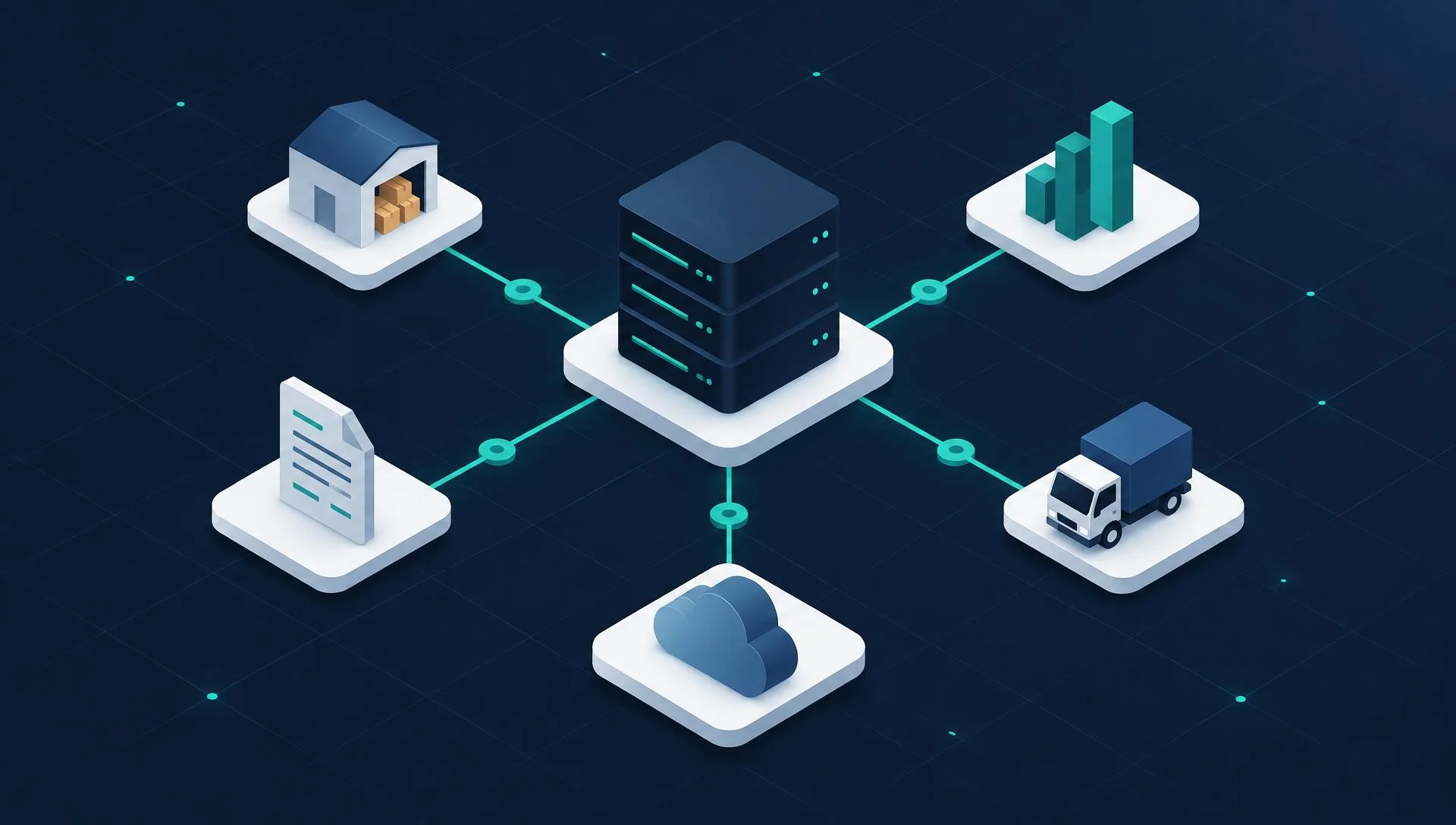
Data continuously flows from SAP into downstream systems—data warehouses, analytics platforms, regulatory reporting systems, planning tools, and partner integrations. Along the way, that data is transformed, enriched, filtered, and reshaped.
The critical question enterprises face is not whether data moved successfully, but: Can we continuously prove that downstream data is complete, accurate, and financially consistent with SAP?
This is the role of system-to-system data reconciliation—not as a one-time audit activity, but as a foundational control for trust, governance, and financial confidence.
The Reality of SAP-Centric Data Architectures
Most SAP landscapes follow a familiar but risk-prone pattern:
- Integration: SAP extractors, ODP, SLT, IDocs, APIs
- Processing: ETL / ELT pipelines, transformations, business rules
- Consumption: Enterprise Data Warehouse, BI & analytics platforms, Financial close and reporting systems, Regulatory and compliance platforms
Each Hop Introduces Risk
- Missed or duplicated records
- Transformation logic drift
- Timing mismatches
- Broken relationships
- Silent financial discrepancies
Without reconciliation, these issues often surface late—during close, audits, or executive reviews.
Why Traditional Reconciliation Approaches Fall Short
Most organizations still rely on a mix of:
- Row counts
- Aggregate totals
- BI reconciliation reports
- Manual SQL checks and spreadsheets
These methods fail at scale for four reasons:
1. Aggregates Hide Errors
Totals can match even when:
- Documents are missing
- Duplicates cancel out
- Line-level values are wrong
2. Transformations Go Unvalidated
Business logic applied downstream—currency conversions, mappings, derivations—is rarely verified against SAP source logic.
3. Reconciliation Is Reactive
Checks performed at month-end, during audits, or after business escalations are already too late.
4. No Lineage or Impact Awareness
Most reconciliations don't understand:
- Which SAP tables feed which downstream datasets
- How upstream changes affect downstream financials
Financial Reconciliation Is a Multi-Level Problem
A key misconception is that financial reconciliation is a single check. In reality, financial integrity must be proven across multiple layers of granularity.
Level 1: Aggregated-Level Reconciliation (Executive Confidence & Financial Close)
Purpose: Validate that high-level financial numbers downstream align with SAP.
Examples:
- Trial balance totals
- GL balances by company code, period, currency
- Revenue and expense summaries
- Inventory valuation rollups
Value: Early detection of major variances, executive-level confidence
Limitation: Matching aggregates does not prove document-level correctness.
Level 2: Account & Sub-Ledger Reconciliation (Control & Audit Readiness)
Purpose: Ensure financial structures remain consistent across systems.
Examples:
- AR/AP sub-ledger vs GL
- Asset accounting rollups
- Cost center and profit center totals
- Internal order and WBS summaries
Common Failure Points:
- Delta timing differences
- Ledger or posting date transformations
- Reference data misalignment
This level often exposes structural reconciliation issues, not just numeric ones.
Level 3: Document-Level Reconciliation (Business Truth Layer)
Purpose: Prove that every SAP financial document exists downstream exactly once and correctly represented.
Examples:
- Journal entries
- Invoices and credit memos
- Payments and receipts
- Adjustments and accruals
Key Validations:
- One-to-one document existence
- Document counts by type and period
- Header-level attribute consistency (amount, currency, posting date)
Most audit findings originate here—not at the aggregate level.
Level 4: Line-Item-Level Reconciliation (Root Cause & Traceability)
Purpose: Explain why discrepancies exist.
Examples:
- Line-item amount mismatches
- Incorrect account or tax mappings
- Split or merged line items during transformation
- Derived field inconsistencies
Without line-item reconciliation, teams are forced into manual forensic analysis under close pressure.
The Missing Capability: Cross-Level Traceability
Modern reconciliation is not about choosing one level—it's about connecting them.
When a variance appears, teams must be able to:
- Start at aggregated totals
- Drill into accounts
- Trace to documents
- Isolate impacted line items
- Tie back to SAP source
This requires:
- Consistent business keys
- Lineage-aware reconciliation
- Time- and delta-aware validation
Why Manual Reconciliation Does Not Scale
In enterprise SAP environments:
- Millions of records move daily
- Multiple currencies and ledgers coexist
- Late adjustments and restatements are common
Spreadsheets and ad-hoc SQL fail because they:
- Do not scale with data velocity
- Are not repeatable or auditable
- Break when pipelines or schemas change
From Period-End Firefighting to Continuous Assurance
Leading organizations are shifting from month-end reconciliation heroics to continuous financial data assurance.
This means:
- Automated reconciliations at every level
- Delta-driven validation as data changes
- Always-available audit evidence
- Faster, calmer closes
What Scalable SAP Reconciliation Requires
To operationalize reconciliation across SAP and downstream systems, enterprises need platform-level capabilities—not scripts.
Native SAP Connectivity
Direct SAP NetWeaver–based connectivity to access SAP application tables, deltas, and financial semantics securely and accurately.
System-to-System Orchestration
Independent reconciliation across:
- SAP → staging
- Staging → warehouse
- Warehouse → reporting layers
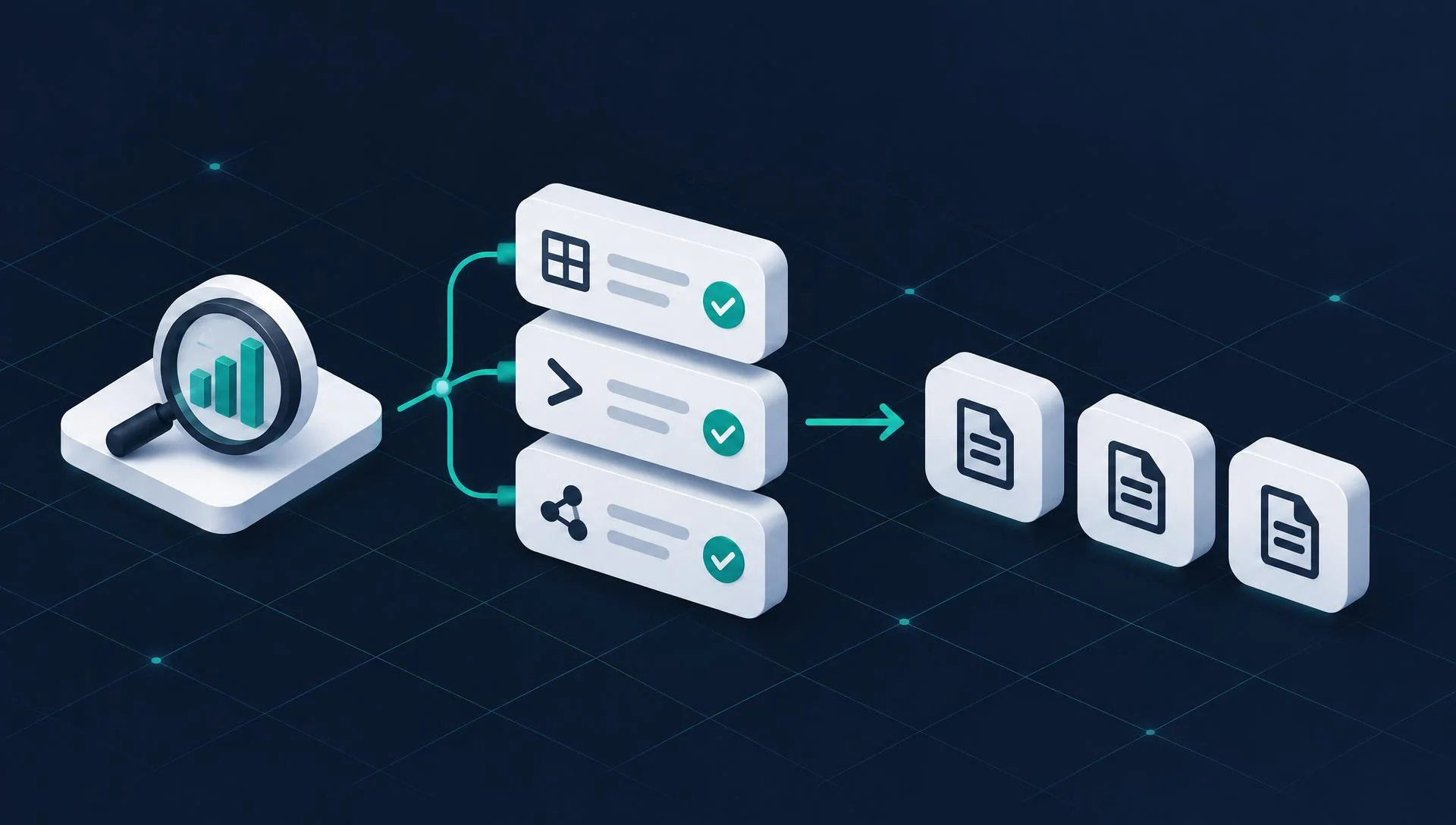
Multi-Granularity Financial Validation
Aggregated, account, document, and line-item reconciliation—connected through drill-down traceability.
Delta-Aware Execution
Validate only what changed, reducing runtime and noise while improving signal quality.
Centralized Business Rules
Reusable, versioned financial logic applied consistently across reconciliation runs.
Audit-Ready Evidence
Time-stamped results, variance details, and historical retention built in by design.
Enabling Continuous SAP Reconciliation with DataTrust
Platforms like DataTrust are purpose-built to deliver these capabilities at scale.
By combining:
- Native SAP NetWeaver connectivity
- Automated system-to-system reconciliation
- Financial validation across all levels of granularity
- Delta-aware execution
- Centralized rule management
- Audit-grade evidence generation
DataTrust enables enterprises to move from fragmented reconciliation efforts to continuous financial data assurance.
The outcome is not just fewer reconciliation issues, but:
- Faster and more confident close cycles
- Reduced audit risk
- Higher trust in downstream reporting
- Less dependency on manual intervention
Final Thought
In SAP-centric enterprises, reconciliation is no longer about matching numbers.
It is about proving financial truth—from aggregated summaries down to individual line items—continuously and at scale.
When system-to-system reconciliation is SAP-native, automated, and traceable, it becomes a strategic enabler of trust rather than a bottleneck at close.
Frequently asked questions
What should SAP to downstream reconciliation compare?
Compare the business population and outputs required by the control, using approved keys, mappings and cutoffs. Relevant checks can include totals, account balances, document existence and line-item values. Choose the necessary grain for the business risk. Matching a downstream summary does not establish that every required source document is represented correctly.
Why can SAP financial totals match while documents or line items differ?
Missing and duplicated items can offset, and postings can be assigned to different accounts while preserving an overall total. Compare document or line-item keys and important attributes where those requirements matter. Use the approved company, ledger, currency and period boundaries so the comparison evaluates equivalent business populations.
How should posting dates currencies and timing differences be handled?
Define the date basis, business timezone, extraction cutoff and currency basis before comparison. Document approved conversions, rounding and expected processing delays. Separate an explained timing difference from an unresolved defect, and retain its expected clearance condition. Do not loosen tolerances merely to make unexplained differences pass.
What should be tested after a SAP mapping or configuration change?
Assess the affected populations, keys, reference lookups, calculations and downstream reports. Use independently approved expected outcomes for representative cases, then run the appropriate broader comparisons. Keep the mapping or configuration version with the evidence. A structurally compatible target can still implement a different business meaning.
How should DataTrust be evaluated for a specific SAP reconciliation workflow?
Demonstrate the exact SAP environment and downstream systems in scope, including the proposed extraction method, comparison grain and execution window. DataTrust supports validation and reconciliation requirements; confirm the specific connection, delta handling and review evidence in the proposed configuration. Retain failed examples and reruns as part of the evaluation.