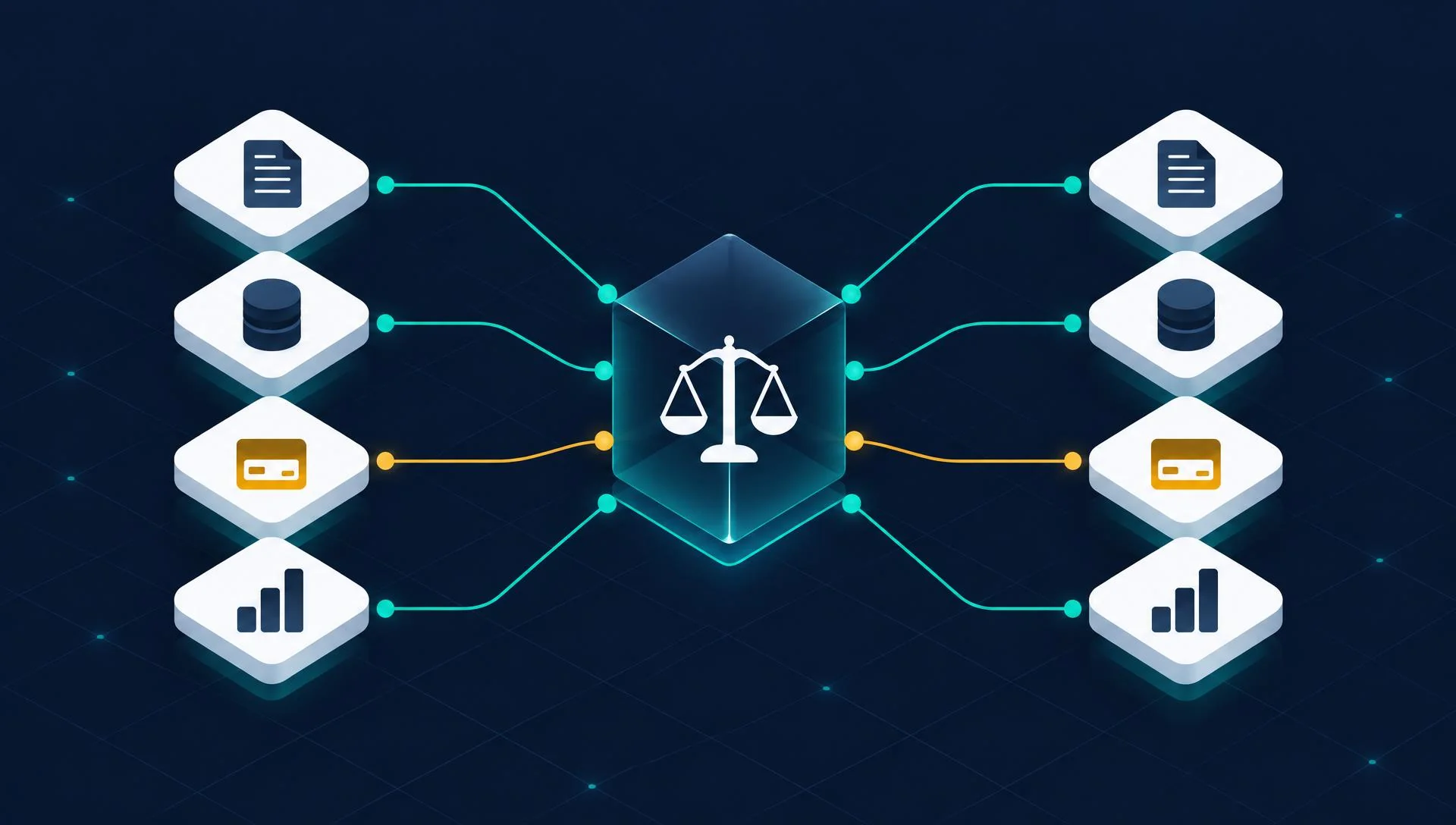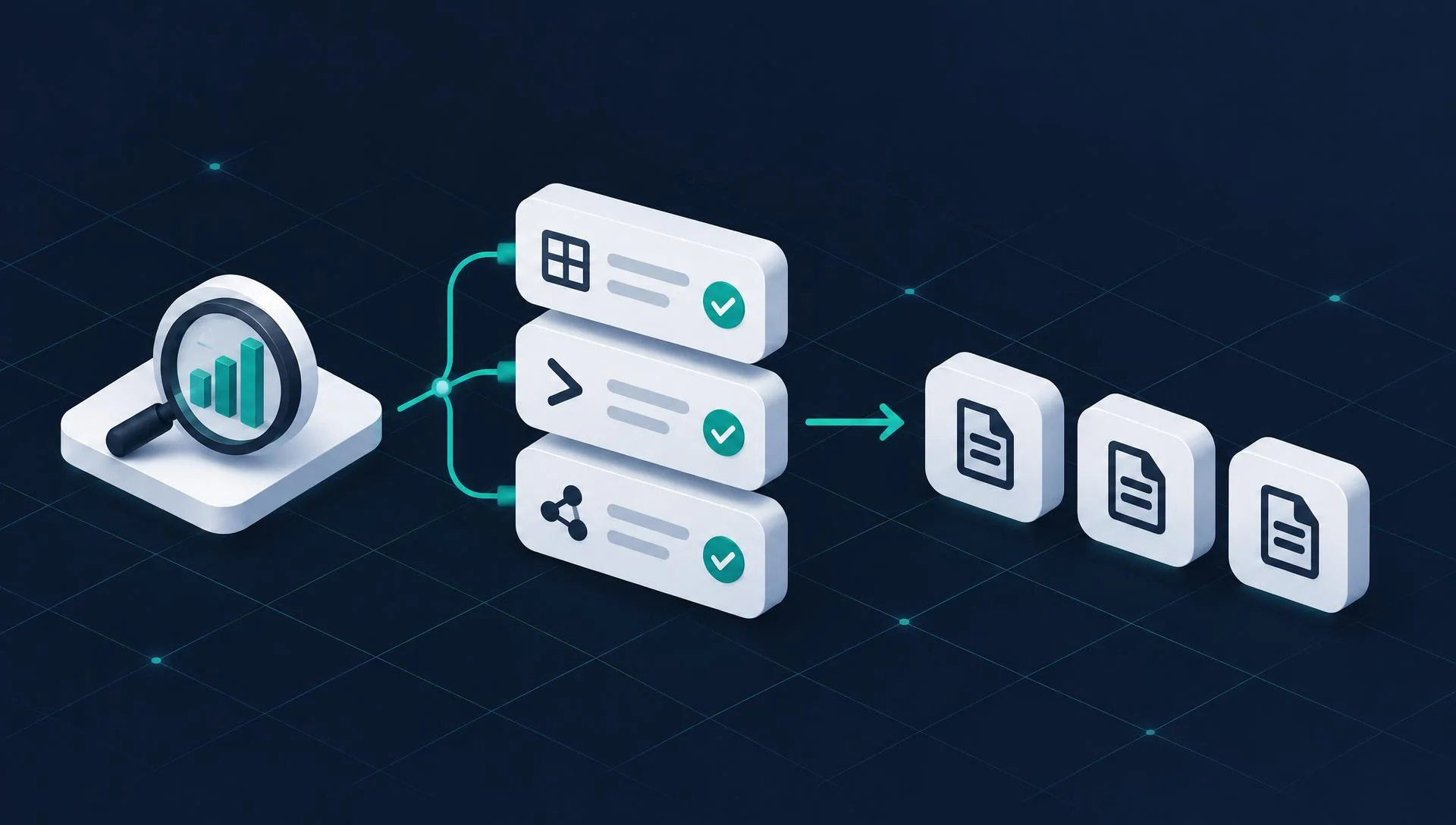
Clean data is the foundation of trusted analytics and reliable operations. This guide covers the essential data cleansing techniques that every organization should master.
Why Data Cleansing Matters
Poor data quality costs organizations an average of 15-25% of revenue. Dirty data leads to:
- Flawed analytics and incorrect decisions
- Failed marketing campaigns and customer frustration
- Compliance violations and regulatory penalties
- Wasted time on data preparation instead of analysis
Proactive data cleansing transforms this liability into a competitive advantage.
Essential Data Cleansing Techniques
1. Duplicate Detection and Removal
Duplicates are among the most common data quality issues. Techniques include:
- Exact matching: Identify records with identical key fields
- Fuzzy matching: Find near-duplicates with similar but not identical values
- Merge/purge: Consolidate duplicates while preserving the best data from each
- Master record selection: Define rules for which record survives
2. Data Standardization
Inconsistent formats make data difficult to aggregate and analyze:
- Format standardization: Convert dates, phone numbers, addresses to consistent formats
- Value standardization: Map variations (e.g., "US", "USA", "United States") to standard values
- Case normalization: Ensure consistent capitalization
- Unit conversion: Standardize measurements and currencies
3. Validation and Correction
Validate data against known rules and correct errors:
- Format validation: Ensure values match expected patterns (email, phone, zip code)
- Range validation: Check numeric values fall within acceptable ranges
- Referential validation: Verify foreign key relationships exist
- Business rule validation: Apply domain-specific logic
4. Data Enrichment
Enhance data quality by adding missing information:
- Geocoding: Add latitude/longitude from addresses
- Firmographic enrichment: Append company information
- Demographic enrichment: Add consumer attributes
- Derived calculations: Compute missing fields from available data
5. Handling Missing Values
Address null and missing values appropriately:
- Default values: Apply standard defaults where appropriate
- Imputation: Estimate missing values from other data
- Flagging: Mark records with missing critical values
- Filtering: Exclude incomplete records from specific uses
6. Outlier Detection
Identify and handle anomalous values:
- Statistical methods: Find values beyond expected standard deviations
- Business rules: Flag values outside domain-specific limits
- Pattern detection: Identify unusual combinations of values
- Temporal analysis: Detect unexpected changes over time
Building a Sustainable Cleansing Practice
Effective data cleansing requires:
Automation: Manual cleansing doesn't scale. Invest in tools that automate detection and remediation.
Prevention: Fix issues at the source rather than repeatedly cleaning downstream. Implement validation in data entry systems.
Monitoring: Continuously measure data quality metrics to catch new issues quickly.
Ownership: Assign clear responsibility for data quality. Those closest to the data should be accountable for its cleanliness.
Conclusion
Data cleansing is not a one-time project but an ongoing discipline. Organizations that master these techniques and embed them into their data operations will enjoy the competitive advantages that come from trusted, reliable data.
Frequently asked questions
How is data cleansing different from data validation?
Cleansing changes data under an approved correction or standardization rule. Validation evaluates whether a defined population satisfies a requirement. Use validation before and after cleansing to understand the issue and verify the result. Keep the original evidence and correction rule so reviewers can distinguish a justified change from a hidden defect.
Should missing values and outliers always be replaced?
No. A missing value can mean unknown, not applicable or not yet observed, and an unusual value can be a legitimate business event. Define the permitted treatment with the data owner. Record exclusions, defaults or estimates explicitly and evaluate their effect on the downstream task before changing the data.
How should duplicate records be resolved?
Define the business entity and matching keys before identifying duplicates. Repeated customer identifiers may be valid in a transaction table, while repeated transaction-line keys may be defects. Where records represent the same entity, use an approved survivorship rule and retain merge references. Validate important relationships and totals after the correction.