Data Products vs Datasets
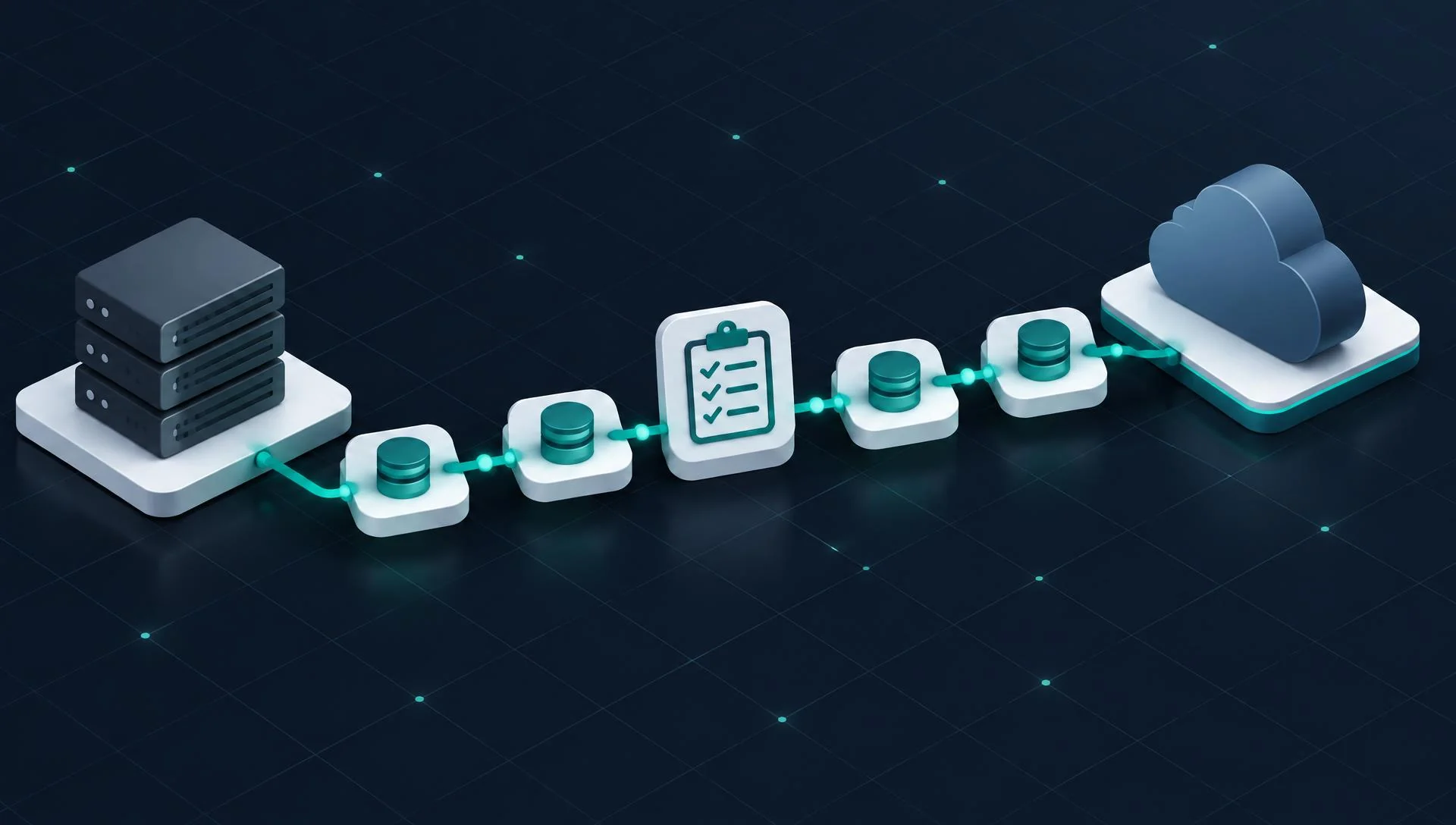
This illuminating visual guide clarifies the fundamental differences between raw datasets and curated data products. Understanding this distinction is essential for organizations evolving from traditional data delivery to a product-oriented approach that treats data as a valuable, reusable, and governed enterprise asset.
Topics Covered
Understanding the Paradigm Shift in Data Delivery
The terminology we use shapes how we think about data. This infographic explores the fundamental differences between traditional "datasets" and modern "data products"—and why this distinction matters for your organization's data strategy.
What is a Dataset?
A dataset is a collection of related data, typically stored in a table, file, or database. Datasets are:
Technical Artifacts - Defined by their structure (schema, format, location) - Created as byproducts of applications or processes - Often undocumented or poorly documented - Accessed through technical queries or ETL processes
Supply-Driven - Created based on what systems produce - Minimal consideration for consumer needs - "Build it and they will come" mentality - Quality is the consumer's problem
Siloed Ownership - Owned by IT or the team that created them - No clear accountability for quality or fitness - Changes happen without consumer notification - Limited visibility into usage and impact
What is a Data Product?
A data product treats data as a deliberately designed and managed asset:
Business Assets - Defined by the business value they deliver - Purposefully designed for specific use cases - Comprehensively documented with business context - Accessed through self-service interfaces
Demand-Driven - Created based on consumer needs and use cases - Designed for discoverability and usability - "What do our users need?" mentality - Quality is the producer's responsibility
Clear Ownership - Owned by a data product owner with accountability - SLAs for quality, freshness, and availability - Change management and versioning practices - Usage analytics and consumer feedback loops
Side-by-Side Comparison
| Dimension | Dataset | Data Product |
|---|---|---|
| Focus | Technical structure | Business value |
| Documentation | Schema only | Full business context |
| Quality | Variable, unknown | Guaranteed with SLAs |
| Ownership | IT/Engineering | Product owner |
| Discovery | Ask around | Self-service catalog |
| Evolution | Ad hoc changes | Versioned releases |
| Support | Best effort | Defined support model |
The Value Proposition
Datasets deliver data. Data products deliver value.
When organizations shift to a data product mindset, they see:
- Faster time-to-insight: Consumers spend less time hunting for and validating data
- Higher trust: Quality guarantees mean decisions can be made confidently
- Better reuse: Well-documented products get consumed across the organization
- Reduced duplication: Clear ownership prevents redundant data creation
- Improved governance: Products have built-in compliance and controls
The Transformation Journey
Moving from datasets to data products is a journey:
Stage 1: Inventory - Catalog existing datasets and their consumers - Identify high-value datasets for product treatment - Assess current quality and documentation gaps
Stage 2: Define - Assign product owners with clear accountability - Document business context, use cases, and consumers - Establish quality standards and SLAs
Stage 3: Operationalize - Implement quality monitoring and alerting - Create self-service access with governance guardrails - Build feedback loops with consumers
Stage 4: Scale - Establish data product development standards - Create a data product catalog/marketplace - Measure and optimize product performance
Getting Started with RightData
RightData's platform supports the full data product lifecycle:
- DataMarket: Discover, access, and consume data products
- DataTrust: Ensure quality standards are met continuously
- RightSight: Track lineage and understand data product dependencies
Transform your datasets into trusted data products that drive business value.
Explore More Resources
Discover related content across our resource library